
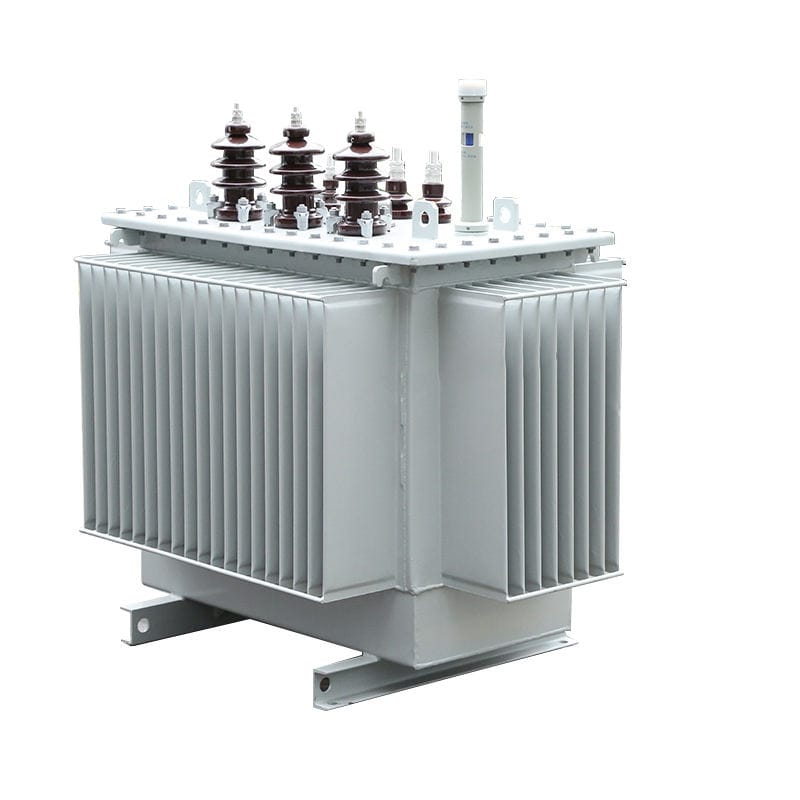
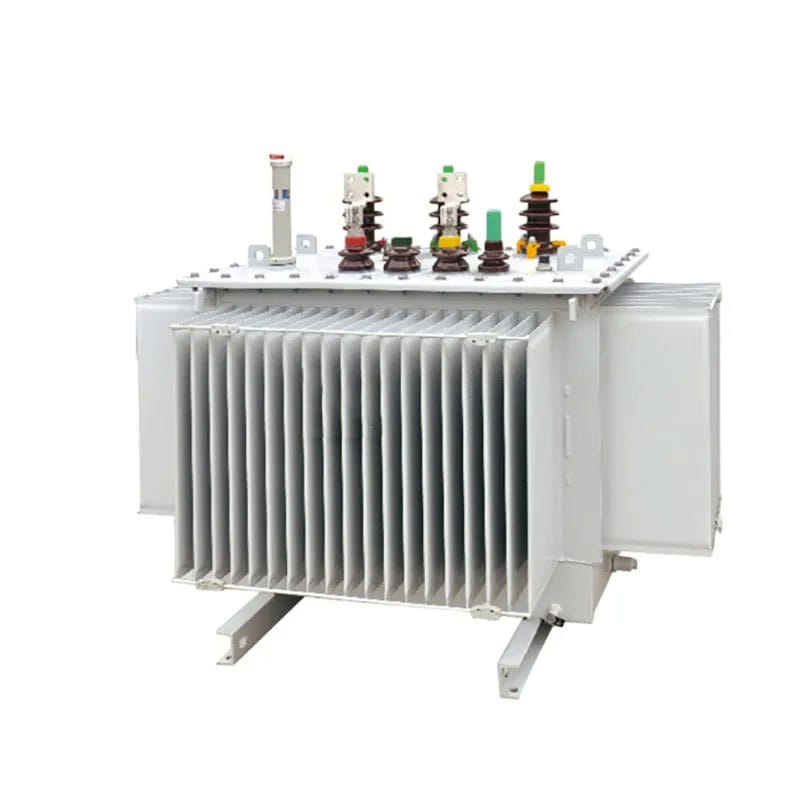
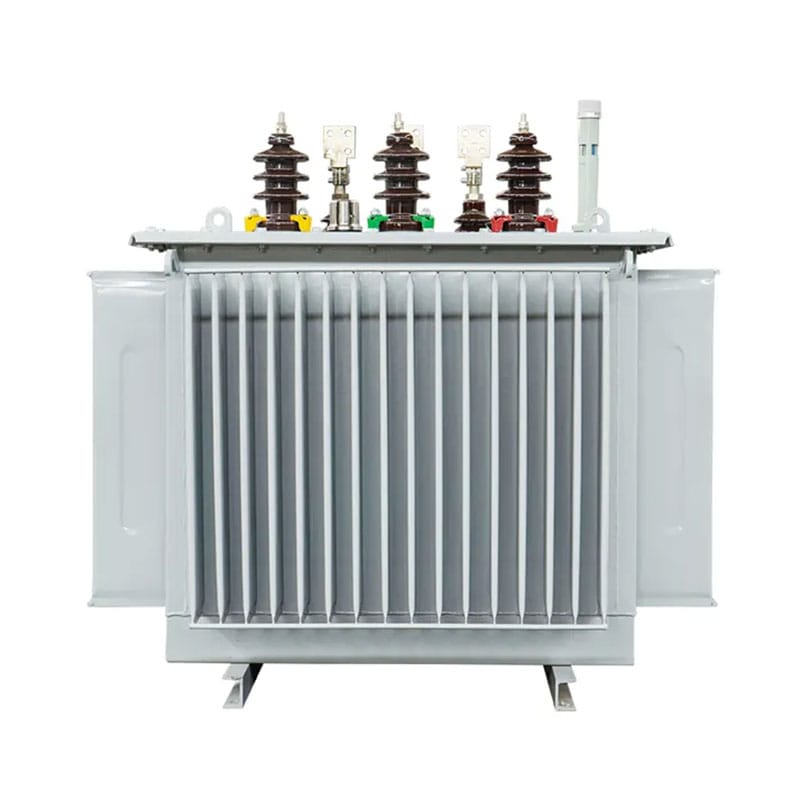
The box-type substation, also known as the prefabricated substation or box transformer, is a complete set of power equipment installed in a closed box. It has powerful functions and a wide variety of types. It is easy to install and move. It can be used in various environments. It has stable performance and can provide stable power supply. If you want to know more, please check here.
What is a Box-type Substation?
Box-type Substation, also known as prefabricated substation or combined substation, is a small substation that assembles high-voltage switchgear, distribution transformers, low-voltage distribution equipment, etc. in a closed metal box. It has high integration, small footprint, and quick installation. It is widely used in urban power grid transformation, new rural construction, temporary construction power supply, industrial parks and other places. It is a high-quality alternative to traditional civil substations.
From a structural point of view, a box-type substation usually consists of a high-voltage room, a transformer room and a low-voltage room. The entire box has anti-corrosion, dust-proof, rain-proof, anti-theft and other properties, and can adapt to a variety of complex environments. With the development of smart grid technology, modern box-type substations have gradually realized remote monitoring and automatic control, becoming an important fulcrum for the intelligent upgrade of distribution networks.
Main Functions of Box-type Substations
The core function of a box-type substation is to reduce the high voltage of the upper-level power grid through a transformer to provide a low-voltage power supply suitable for residential or industrial power needs. At the same time, it also undertakes the functions of power distribution, control, metering, protection, etc.
Step-down and power supply: 10kV or 35kV high voltage electricity is converted into 0.4kV low voltage output through a transformer;
Power distribution: multiple low-voltage switch branches are configured internally to facilitate the distribution of power nearby;
Power protection: equipped with circuit breakers, lightning arresters, fuses and other protection devices to prevent short circuits, overloads and other faults;
Power metering: integrated meter module, accurately record user power consumption;
Communication function: some high-end models support remote monitoring and intelligent operation and maintenance.
Main Components of Box-type Substation
Box-type substation is usually composed of the following three modules:
High-voltage room (incoming unit): install high-voltage incoming equipment such as load switch, lightning arrester, voltage transformer, fuse
Transformer room: configure oil-immersed or dry-type transformer for voltage conversion
Low-voltage room (outgoing unit): set circuit breaker, electric energy meter, relay protection and cable outgoing device, etc.
In addition, the box itself is made of anti-corrosion and weather-resistant steel plate, with ventilation, lighting and temperature control systems inside, and some models are also equipped with PLC modules or smart gateways for remote control.
Technical Specifications of Box-type Substation
The technical parameters of common box-type substations are as follows:
Rated voltage: 6kV / 10kV / 35kV
Rated capacity: 100kVA ~ 2500kVA
Frequency: 50Hz (customizable to 60Hz)
Transformer type: oil-immersed, dry
Short-time withstand current: 20kA/1s on high-voltage side, 30kA/1s on low-voltage side
Protection level: IP33 ~ IP54 (optional according to environmental requirements)
Temperature rise limit: not exceeding the national standard GB/T 17467
Insulation withstand voltage level: in accordance with IEC standards
Box-type substation application areas (Applications)
Box-type substations are suitable for the following wide range of occasions:
Urban residential and commercial complexes: used for community power distribution and office building power supply;
Industrial parks and manufacturing factories: can meet the power needs of heavy-duty equipment, machining, and precision instruments;
Rail transit and airports: provide safe and stable power supply for platforms, terminals, etc.;
New energy projects: box-type booster stations are commonly used in wind power and photovoltaic power stations;
Temporary construction sites: such as subway construction, bridge projects, etc. for rapid power supply;
Rural power grid upgrades: used for urban and rural integrated power supply transformation projects.
Types of box-type substations
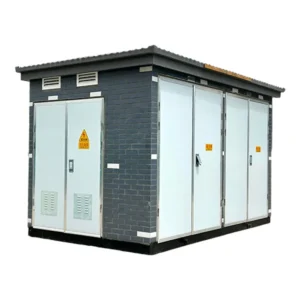
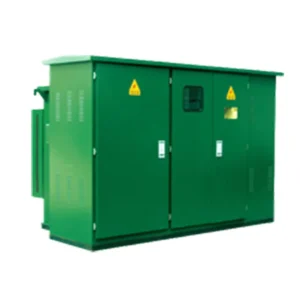
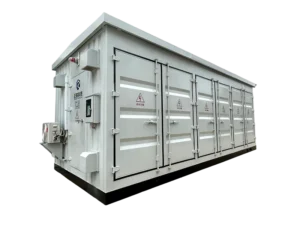
Applicable voltage level of Box-type Substation (Voltage Range)
Common applicable voltage levels are:
6kV: used for industrial power grids in some small and medium-sized cities;
10kV: standard distribution voltage in most cities across the country;
20kV/35kV: suitable for heavy-load equipment or new energy power stations.
The rated voltage of the substation needs to be connected to the power grid, which is usually planned and deployed by the power supply bureau. 10kV box substation is the most common configuration.
Comparative advantages of box-type substation and traditional substation
| Compare Projects | Box type substation | Traditional substation |
| Area | Small (usually 10-30㎡) | Large, requiring dedicated substation land |
| Construction period | Short (generally ≤ 15 days) | Long (3 months and above) |
| Cost Control | Low cost, standardized manufacturing | High cost, requiring civil engineering and on-site assembly |
| Installation | Plug and Play | Civil construction + manual assembly |
| Appearance and integration | Beautiful and highly integrated | There are many exposed equipment, which is not suitable for landscape areas |
| Mobility | Some models are removable | Not removable |
Load Capacity of Box-type Substation
The load capacity of box-type substations of different models is different. The common capacity ranges are as follows:
100kVA~500kVA: suitable for light-load places such as residential areas and shops;
630kVA~1250kVA: suitable for small and medium-sized industrial plants;
1600kVA~2500kVA and above: can meet the needs of high-load industrial and data center use.
The actual selection needs to consider load peak, voltage drop limit, cable distance and system expansion reserve.
Is the box-type substation suitable for outdoor and extreme climates?
The answer is yes. Modern box-type substations generally have the following protection capabilities:
Waterproof and moisture-proof: IP54 level or above, suitable for rainy and snowy weather;
Salt spray corrosion resistance: suitable for coastal areas;
Dustproof and insect-proof: the box has a tight sealing structure;
High temperature, sun resistance and low temperature resistance: can operate in an environment of -40℃~+50℃;
Seismic design: in line with GB/T 13539 seismic specifications.
Therefore, it can also operate stably in special environments such as deserts, frozen soil, and mountainous areas.
Lifespan and maintenance cycle of box-type substations
The average design life of box-type substations is 20 to 30 years, which is determined by the material of the box, the brand of electrical components, and the use environment. The regular maintenance cycle is as follows:
Daily inspection: once a month, check grounding, oil temperature, voltage fluctuations, etc.;
Annual maintenance: including insulation testing of high and low voltage equipment and bolt tightening inspection;
5-year overhaul cycle: replace contactors and aging cables when necessary;
Smart box-type substations can remotely warn of faults, greatly reducing the cost of manual operation and maintenance.
Comparison table of box-type substation and other substations
| Type | Installation cycle | Cost | Aesthetics | Flexibility | Maintenance Difficulty |
| Box type substation | Fast (≤15 days) | medium | high | high | low |
| Switchgear + Transformer Combination | medium | high | generally | medium | medium |
| Civil substation | Slow (≥3 months) | high | low | low | high |
Installation Guide for Box-type Substation
The installation process of box-type substation is simple and efficient, usually including:
Site preparation: leveling the foundation and pouring prefabricated foundation plate;
Equipment hoisting: hoisting the whole equipment in place by crane;
Wiring construction: connecting high and low voltage cables;
Grounding and lightning protection: setting up grounding grid;
Electrical commissioning: testing electrical functions and safety measures;
Power delivery: formal operation after acceptance by the power supply bureau.
The entire process can be completed within 7 days at the fastest, greatly shortening the construction period.
Maintenance Tips for Box-type Substation
Maintenance of box-type substation needs to start from the following aspects:
Transformer inspection: oil-immersed transformer needs to detect oil level and oil quality;
Switch equipment inspection: observe action sensitivity and contact resistance;
Insulation cleaning: wipe dust regularly to prevent insulation breakdown;
Ventilation system test: check the operating status of fans and electric heating devices;
Remote monitoring and maintenance: check alarm records and optimize parameters.
Professional maintenance can be entrusted to third-party substation operation and maintenance companies or equipment manufacturers.
Conclusion
As an efficient solution in modern power systems, box-type substations are widely used in urban residential areas, industrial enterprises, new energy power stations and other fields due to their small size, fast construction, high integration and wide application environment. It not only improves the efficiency of power grid operation, but also provides a solid foundation for the development of smart grids and distributed energy. Whether from the perspective of technical reliability, economy or sustainability, box-type substations are the preferred choice for future power distribution systems.
If you need to learn more about the model parameters, purchasing recommendations or brand comparison of box-type substations, you can contact ZHENGRUI service providers to obtain customized solutions.

 English
  Russian
  French
  German
  Spanish
  Arabic