
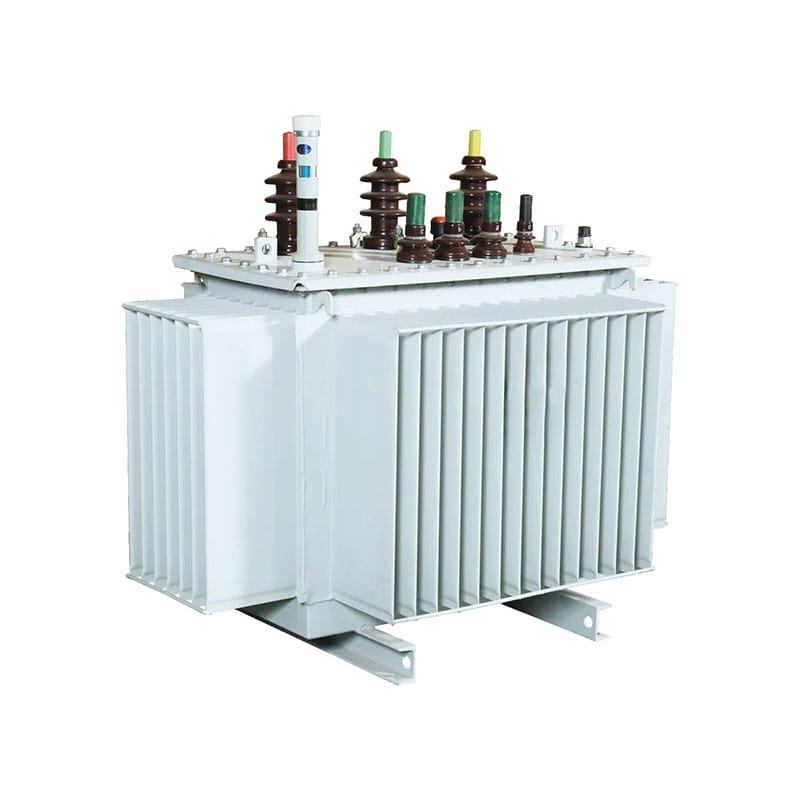
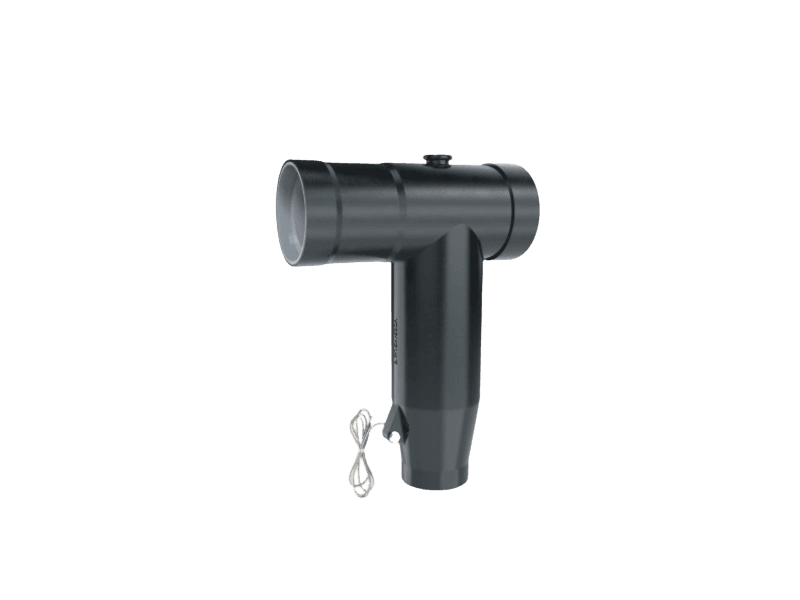
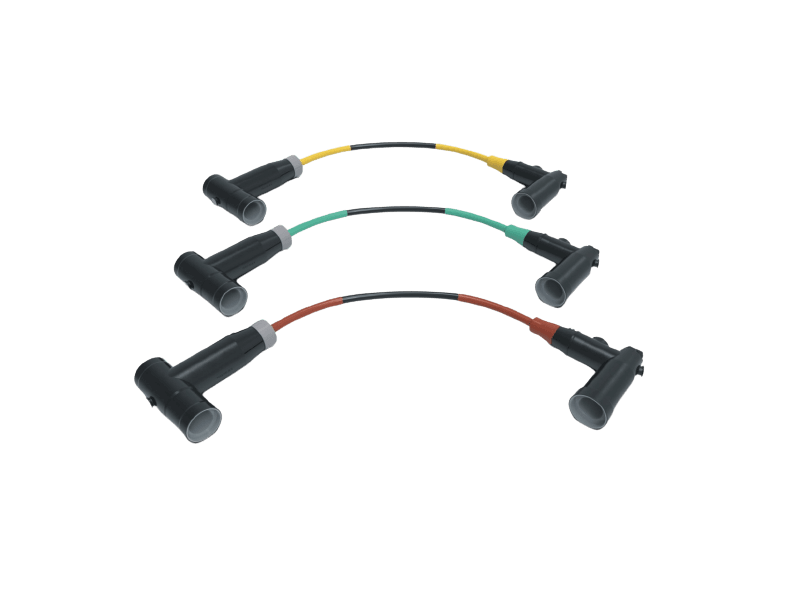
An oil immersed transformer is a transformer with good insulation performance. It uses insulating oil as the medium, has stable performance and good cooling effect. Compared with dry-type transformers, oil immersed transformers have many advantages. They are not only energy-saving and environmentally friendly, but also have excellent performance in heat dissipation and insulation. They are suitable for a variety of occasions, and good maintenance can greatly increase their service life.
What is an oil immersed Transformer?
Basic Definition:
An oil immersed transformer is a type of power transformer that uses insulating oil as its cooling and insulation medium. It primarily consists of windings, an iron core, an oil tank, and insulating oil. The windings convert voltage, the iron core guides magnetic flux, and the oil provides both heat dissipation and insulation protection.
Compared to dry-type transformers, oil immersed transformers offer significant advantages in heat dissipation and load-carrying capacity, enabling long-term, safe operation in medium- and high-voltage systems. Therefore, oil immersed transformers are the most common choice for power transmission, industrial power generation, and large-scale infrastructure.
How does an Oil Immersed Transformer work
Input AC voltage is applied to the primary winding.
Magnetic flux is created in the core, inducing voltage in the secondary winding.
Heat from electrical losses (copper loss + core loss) is absorbed by the oil.
The heated oil rises and transfers heat to the tank walls or radiators, where it cools and sinks back down, ensuring continuous circulation.
The oil also insulates live parts, preventing electrical breakdown.
The Function of Insulating oil immersed Transformers
Insulating oil is a core component of oil immersed transformers. Mineral insulating oil is typically used, but environmentally friendly synthetic or bio-based oils are also available. Its primary functions include:
- Insulation protection: Prevents arcing or partial discharge between windings or between the windings and the iron core.
- Heat dissipation: Absorbs heat generated during operation and releases it to the environment through the oil tank and radiator.
- Arc suppression: In the event of an overload or short circuit, insulating oil slows the onset and propagation of arcs. Extending Equipment Life: Stable oil quality reduces the aging of winding insulation and increases the overall life of the transformer.
Structural Features of oil immersed Transformers:
Oil immersed transformers generally consist of the following main structures:
- Windings: High-voltage and low-voltage windings, using copper or aluminum conductors depending on design requirements.
- Core: Made of laminated silicon steel sheets, it offers low loss and low noise characteristics.
- Oil Tank: Sealed to contain insulating oil and prevent the ingress of air and moisture.
- Radiator: Provides natural convection or forced air cooling to ensure stable oil temperature.
- Protective Devices: These include a pressure relief valve, temperature control switch, and oil level gauge to ensure safe operation.
Operating Principle of oil immersed Transformers
oil immersed transformers operate on the principle of electromagnetic induction: When the input winding is energized, an alternating magnetic field is generated, creating magnetic flux within the core. This flux is then induced in the output winding to generate the desired voltage.
Electromagnetic Induction Mechanism:
When the high-voltage winding is connected to a power source, an alternating magnetic field is generated within the core.
The magnetic flux passes through the core, inducing an electromotive force in the low-voltage winding. Power Conversion: High-voltage power is output to the low-voltage side, or vice versa, achieving voltage step-up or step-down.
Insulating Oil Cooling: The oil absorbs heat from the windings and core, transfers it to the heat sink through natural convection or forced circulation, and then releases it to the air.
Oil Circulation Principle:
There are two main cooling methods for oil immersed transformers:
- Natural Convection (ONAN): This relies on the density difference of the oil to create natural circulation, requiring no additional power.
- Forced Oil Circulation (OFAF/OFWF): This utilizes an oil pump or fan to accelerate oil flow, improving cooling efficiency and is suitable for high-load or high-temperature environments.
This cooling method not only ensures stable operation of the transformer under long-term high-load conditions but also reduces insulation aging caused by localized overheating of the windings.
Common Capacities and Voltage Levels of oil immersed Transformers
Oil immersed transformers come in a variety of capacities and voltage levels, allowing you to select the right model for your application.
Common Capacity Ranges:
- Small Transformers: 100-500 kVA, primarily used in commercial buildings or small industrial enterprises.
- Medium Transformers: 500 kVA-5 MVA, suitable for medium-to-large factories and distribution networks.
- Large Transformers: 5-100 MVA, primarily used for power grid backbone transmission and large-scale infrastructure.
Voltage Level Classification:
| Level | Voltage range | Application Scenario |
| Low-pressure side | 0.4~1kV | Industrial load, small power distribution system |
| Medium voltage side | 10kV、35kV、66kV | Urban power distribution, factory power supply |
| High-voltage side | 110kV and above | Power grid transmission and substation trunk lines |
This multi-level voltage design makes oil immersed transformers flexible and adaptable in various scenarios.
The Role of oil immersed Transformers
The core functions of oil immersed transformers are reflected in three areas: voltage conversion, load distribution, and grid stability.
- Voltage Conversion
oil immersed transformers convert high-voltage electricity into low-voltage electricity to meet industrial and residential power needs. For example, 110kV high-voltage electricity from the power grid is stepped down to 10kV by a transformer, and then to 0.4kV by a distribution transformer for use by businesses.
- Load Distribution
In the power distribution system, oil immersed transformers are responsible for distributing electricity to different loads, ensuring stable power supply to all power consumption links.
- Grid Stability
By regulating output voltage, oil immersed transformers can buffer grid fluctuations, prevent equipment damage caused by voltage drops or spikes, and improve system reliability.
Advantages of oil immersed Transformers
- Excellent Heat Dissipation
Oil absorbs heat efficiently. Combined with a radiator and circulation system, it can quickly dissipate heat generated under high loads, avoiding local overheating. Reliable Insulation Performance
The oil dielectric not only provides excellent insulation but also suppresses partial discharge, extending winding life.
- Large Capacity and Strong Stability
Compared to dry-type transformers, oil immersed transformers can handle higher power and maintain stable voltage output even during long periods of continuous operation.
- Strong Environmental Adaptability
oil immersed transformers can be used indoors or outdoors, adapting to hot, humid, or cold environments and withstanding the effects of inclement weather.
- Economical
Although the initial investment is slightly higher, their long lifespan and reasonable maintenance cycles result in low long-term operating costs, offering excellent value for money.
Oil-immersed transformer application areas
Oil immersed transformers are widely used in power systems and industrial sectors worldwide. Key markets include:
- Power systems
Main transformers in power grid substations and branch transformers in distribution networks
Voltage reduction and distribution for high-voltage transmission lines
- Industrial enterprises
High-load industrial power consumption in steel mills, mines, and aluminum smelters
Large chemical plants, machinery manufacturing plants, and other industrial enterprises
- Infrastructure
Large commercial buildings and shopping malls
Power supply systems for airports, subways, railways, and urban rail transit
- New energy sectors
Voltage conversion and grid connection for photovoltaic and wind power plants
Transformers for energy storage systems
Differences between oil immersed and dry-type transformers
| Characteristic | oil immersed transformers | dry-type transformers |
| Cooling method | Insulating oil cooling | Air cooling |
| Insulation method | Oil insulation | Resin or air insulation |
| Capacity range | Large (kVA~MVA) | Small and medium-sized (kVA level) |
| Environmental adaptability | Suitable for indoor and outdoor use | Mostly indoors |
| Maintenance difficulty | Higher | Lower |
| Fire risk | If the oil quality is poor, there are risks | Relatively safe |
| Life | 25-30 years | 15~20years |
Oil immersed transformers are suitable for high-capacity, high-load applications, while dry-type transformers are suitable for small and medium-sized buildings or locations with high safety requirements.
Oil immersed Transformer Maintenance Recommendations
- Regular Oil Quality Testing
Ensure stable oil performance through chromatography analysis, acid value testing, and water content monitoring. Deteriorating oil quality can lead to winding insulation failure.
- Cooling System Maintenance
Regularly clean the radiator and air ducts to ensure smooth oil circulation. For forced oil circulation systems, check the operating status of the pump and fan.
- Temperature and Load Monitoring
Install temperature sensors to monitor winding and oil temperatures to prevent insulation degradation caused by overload operation.
- Sealing Inspection
The sealing of the oil tank is directly related to the risk of oil contamination and leakage. Regularly inspect the seals and pressure valves for integrity.
- Winding and Insulation Inspection
Perform ratio testing, insulation resistance testing, and partial discharge testing to ensure the integrity of the transformer’s internal insulation and reduce failure rates.
Oil immersed Transformer FAQs
Q1: Are oil immersed transformers safe? Are they prone to oil leaks or fire?
A1: oil immersed transformers operate safely and reliably if installed according to specifications and maintained regularly. However, oil is a flammable medium, requiring fire isolation and monitoring devices.
Q2: Are they complex to operate and maintain?
A2: They are slightly more complex than dry-type transformers, requiring regular checks of oil quality, temperature, and seals. However, the overall maintenance process is mature, and the technical requirements can be mastered through training.
Q3: What is the noise level?
A3: Due to the vibration absorption effect of the oil, oil immersed transformers operate quieter than dry-type transformers, making them suitable for outdoor and industrial locations.
Q4: What is their typical lifespan?
A4: With normal operation and maintenance, they can last 25-30 years, and high-quality products can even exceed 35 years.
Q5: Where can they be installed?
A5: They can be installed indoors or outdoors and are suitable for high-voltage distribution, industrial enterprises, and large-scale infrastructure power supply.
Q6: What are their energy efficiency and energy savings?
A6: oil immersed transformers using low-loss core materials and optimized designs can effectively reduce both no-load and loaded losses, achieving energy savings.
Conclusion
As core equipment in medium- and high-voltage power systems, oil immersed transformers play a crucial role in power transmission, industrial power supply, and infrastructure construction, thanks to their excellent heat dissipation performance, reliable insulation characteristics, and large-capacity load-carrying capacity. Through proper selection, scientific maintenance, and modern management, oil immersed transformers can achieve long-term stable operation, ensuring grid security, efficiency, and energy conservation.

 English
  Russian
  French
  German
  Spanish
  Arabic