

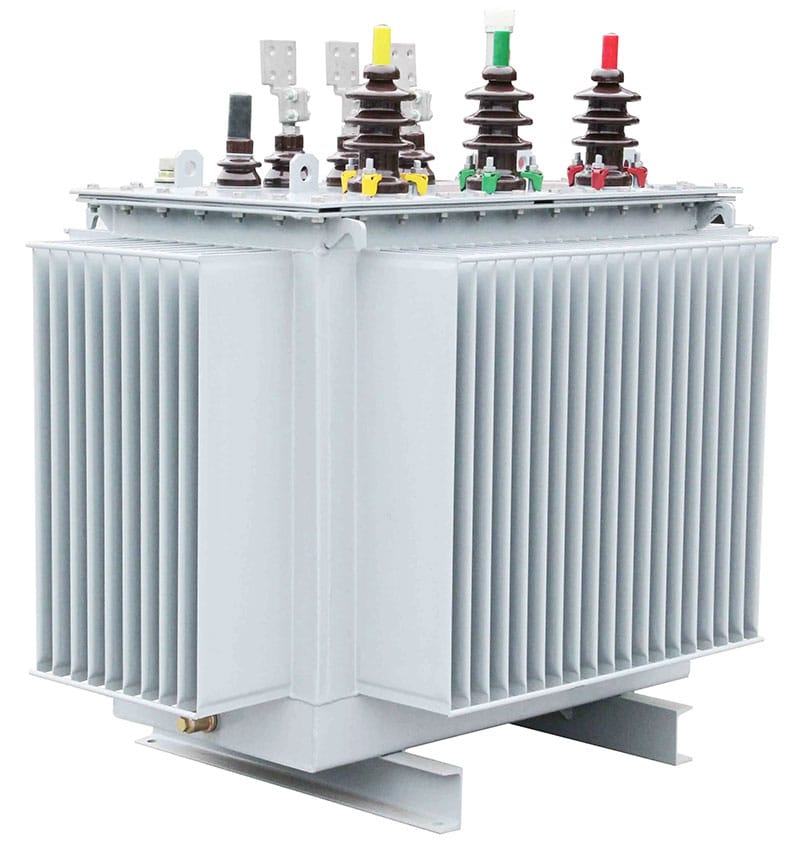

Circuit breakers are core components in power systems. Do you want to know how circuit breakers work and how to use them correctly? This article provides you with a detailed guide to using circuit breakers and precautions, which can help you understand them more comprehensively and use them safely!
What is a circuit breaker?
A circuit breaker is an electrical protection device that automatically cuts off power when an abnormality occurs in a circuit (such as an overload, short circuit, or leakage), thereby protecting equipment, wiring, and personnel. Unlike fuses, circuit breakers can be reused and can be manually or automatically reset after a trip, without the need for component replacement.
Due to their structure and function, circuit breakers are widely used in the following scenarios:
Home distribution boxes (such as circuit breakers)
Commercial building power control systems
Industrial production line electrical control systems
High-voltage equipment such as power substations and photovoltaic systems
Circuit breakers are not only core components of power distribution systems but also the first line of defense for modern electrical safety.
How do circuit breakers work?
A circuit breaker uses a combination of thermal and electromagnetic mechanisms to quickly activate and disconnect the circuit when it detects abnormal current flow. Its operating mechanism is as follows:
| Trigger Type | Trigger Condition | Action Mechanism |
| Overload Protection | Current continuously exceeds rating | Thermal element heats and bends → trips the breaker |
| Short-Circuit Protection | Current surges beyond multiple of rating | Electromagnetic mechanism instantly trips |
| Leakage Protection | Leakage current detected (e.g., grounding) | Leakage detector activates disconnection |
Circuit breakers have a response time as fast as milliseconds, effectively preventing electrical burns, overheated wiring, and electrical fires.
How do I replace a circuit breaker?
Replacing a circuit breaker requires safety measures and is recommended by a qualified electrician. The basic steps are as follows:
First, turn off the main power supply: Ensure all switches in the distribution box are off.
Confirm the model and specifications: Verify that the new circuit breaker is compatible and that the rated current, number of poles, and mounting method match the original circuit breaker.
Removing the old circuit breaker:
First, remove the screws or rail fasteners and open the meter box.
Remove the incoming and outgoing wires.
Reconnecting the new circuit breaker:
Properly connect the incoming (top) and outgoing (bottom) wires.
Secure the circuit breaker to the rail or screw holes here, ensuring it is secure.
Restore power and test operation.
Caution: Improper installation can result in serious consequences, such as arcing, fire, and equipment damage. Do not attempt this operation unless you are a qualified technician.
How to reset a circuit breaker?
If a circuit breaker has tripped, you can reset it yourself by following these steps:
Turn off all downstream appliances to prevent a sudden trip.
Press down fully (OFF position), then push up to the ON position. Re-energize the circuit to test whether the circuit is functioning properly.
If the circuit breaker cannot be reset after multiple attempts, there may be a circuit problem or a faulty circuit breaker, which should be investigated or replaced as soon as possible.
How to test a circuit breaker?
General test method:
Press the “T” test button (available on circuit breakers with residual current protection). If it trips, the circuit is functioning properly.
Use a multimeter to test for continuity: Check for resistance or voltage.
Advanced test method:
| Test Type | Tool | Description |
| Insulation Test | Megohmmeter | Checks for any leakage current |
| Thermal Stability Test | Current Load Simulator | Evaluates if the breaker performs under sustained load |
| Short-Circuit Simulation | Special Test Equipment | Tests breaker’s response to extreme short-circuit |
What does a circuit breaker do?
The primary function of a circuit breaker is to prevent electrical accidents. In modern power distribution systems, circuit breakers perform multiple protective functions:
Prevent overloads from burning wires
Address electrical short circuits
Isolate the power supply for safe maintenance
Limit leakage and reduce the risk of electric shock
Serve as a control switch for branch circuits
A properly configured circuit breaker system can automatically identify and address faults before they occur, preventing them from spreading.
Functions of a Circuit Breaker
Current Protection: Quickly responds to overcurrent and short-circuit conditions and disconnects the circuit
Thermal Protection: Trips when heat builds up, preventing overheating
Electromagnetic Trip: Strong magnetic attraction triggers a trip to disconnect power in the event of a sudden high current
Manual Control: Can be used as a standard power switch for routine control
Leakage Protection (optional): Detects current imbalances and prevents electric shock
Automatic Reset (select models): Some models have a self-reset function suitable for specific scenarios
Is it dangerous if a circuit breaker repeatedly trips?
Frequent circuit breaker tripping is a sign of a serious electrical anomaly. Common risks include:
Electrical fire hazard: Overloads or short circuits not promptly corrected can ignite cables.
Appliance damage: Repeated intermittent power cycles can damage circuit boards.
Personal shock hazard: Leakages not properly addressed can easily lead to electric shock.
Recommendations:
Do not attempt to reset the circuit breaker frequently; first turn off the power.
Check all outlets and appliance connections.
Contact an electrician to inspect the wiring or replace the circuit breaker.
How to determine if the circuit breaker is damaged?
The following symptoms may indicate a circuit breaker failure:
Failure to reset after tripping, or immediate re-tripping after resetting.
Not tripping even when the circuit is clearly overloaded, indicating malfunction.
The outer casing may be charred, smoking, or hot.
The test button may not respond or tripping may be delayed.
The lever may be loose or lose its spring force.
Replacement is recommended every 5–8 years, especially in humid environments with large temperature fluctuations.
What causes a circuit breaker to trip?
| Cause Category | Specific Manifestation | Recommended Solution |
| Circuit Overload | Running too many high-power devices | Split the load or use a higher-rated breaker |
| Short Circuit | Outlet sparks, burning smell | Identify and fix the short, rewire if needed |
| Leakage Current | Poor ground/neutral contact, aging insulation | Inspect devices, use leakage protection |
| Faulty Appliance | Tripping occurs when a device powers on | Replace appliance, inspect plug and cable |
| Breaker Malfunction | False tripping, frequent tripping, heat aging | Replace the breaker |
Precautions for Using Circuit Breakers
To ensure safety and equipment stability, pay attention to the following points when using circuit breakers:
Choose the correct capacity accessories: Select the rated current appropriate for the power usage based on actual power usage.
Ensure proper installation procedures: Ensure wiring is secure, standardized, with correct polarity, and that there is no sparking.
Avoid humid environments: Humidity can cause power leakage, so tighten the seals.
Keep away from heat and vibration sources: prevent internal components from aging or loosening, which may cause unnecessary safety problems.
Regular testing and inspection: It is recommended to press the test button every three months to check for normal response.
Also, avoid frequent switching to prevent contact wear and shortened life.
Conclusion
As a core component in modern electrical systems, circuit breakers not only perform basic power-off control functions but, more importantly, protect life and property at critical moments. Whether in a household distribution box or a large industrial system, the proper configuration and proper use of circuit breakers are crucial.If you are interested in circuit breakers, you can come to Zhengrui for consultation!

 English
  Russian
  French
  German
  Spanish
  Arabic