
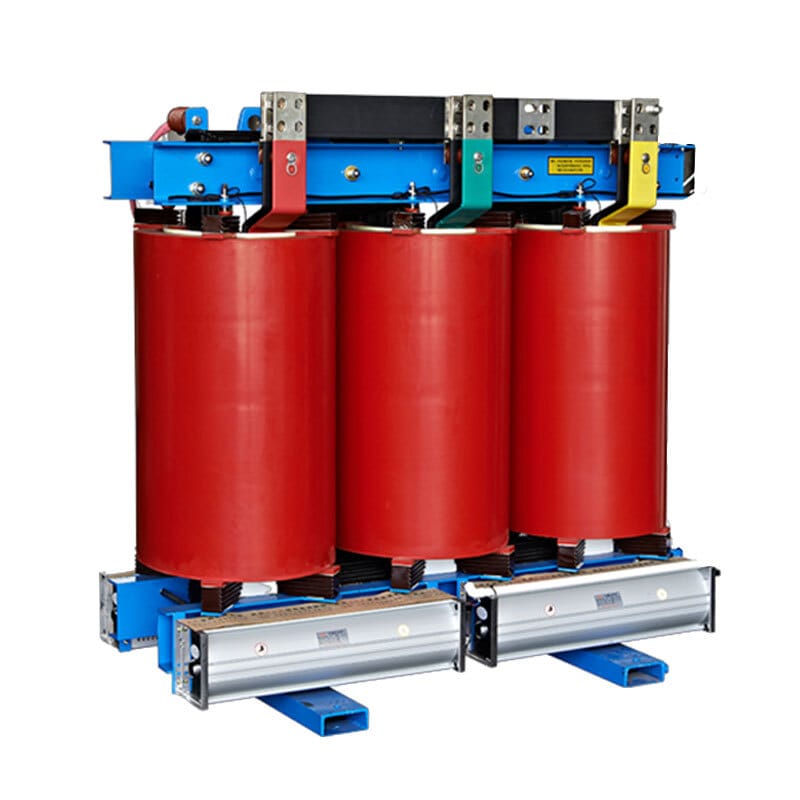
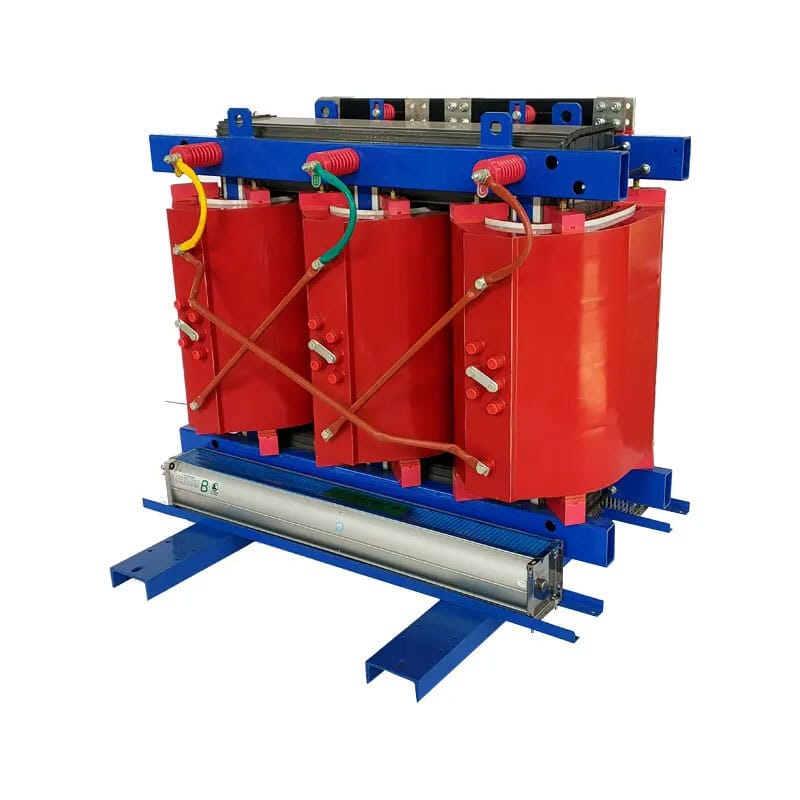
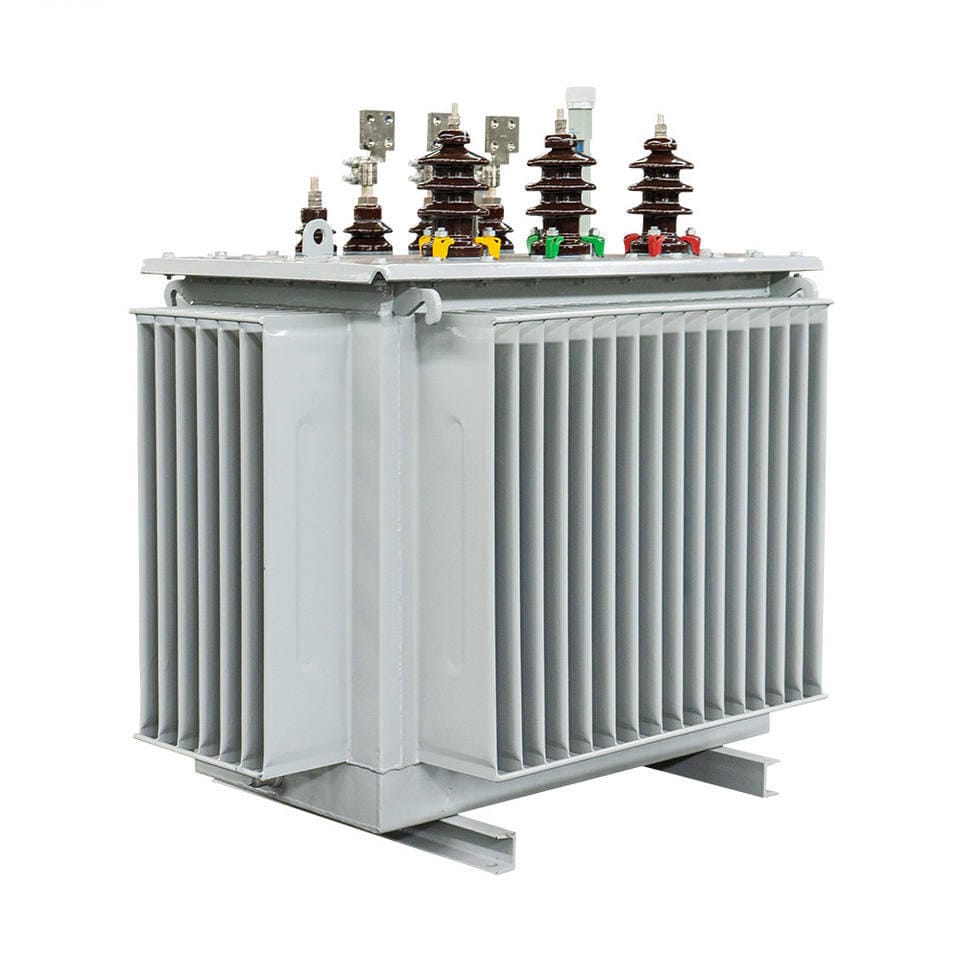
Modular equipment is an advanced and flexible equipment module. It is composed of multiple interchangeable and combinable modules. It can provide different companies with flexible, upgradeable and efficient production capacity solutions. It has been widely used in the automotive, electronics, packaging, food, pharmaceutical and other fields. If you happen to need to quickly switch production or require personalized customization, it is recommended to come to Zhengrui for consultation first!
What is Modular Equipment?
Modular equipment is a system composed of multiple functional modules. Each module typically has independent functions and can be flexibly added, replaced, or upgraded. This design concept, derived from modular engineering, aims to enhance equipment flexibility, scalability, and ease of maintenance.
Compared to integrated equipment, each module in a modular system can be independently replaced or upgraded without affecting overall operation, significantly reducing downtime and maintenance costs.
Common examples of modular equipment include production line automation units, modular data center cabinets, laboratory analytical instrument modules, food processing production modules, and energy conversion devices.
What are the Benefits of Modular Equipment?
The advantages of modular equipment lie not only in flexibility but also in cost-effectiveness, scalability, and risk management.
Key benefits include:
- Fast Deployment: The modular structure enables prefabrication and rapid assembly upon delivery, significantly shortening the construction cycle.
- Easy Maintenance: If a module fails, it can be quickly replaced, minimizing downtime and losses.
- Strong Scalability: The number of modules can be flexibly increased or decreased based on production needs. Flexible Investment: Initially, you can purchase a subset of modules based on demand, then gradually expand capacity as business grows.
- High Degree of Customization: Different modules can be customized and combined to meet process requirements.
Application Areas of Modular Equipment
Modular equipment has a wide range of applications, encompassing virtually every industry, including manufacturing, energy, healthcare, food processing, and information technology.
Typical Applications:
- Manufacturing: Modular production lines, automated assembly systems
- Energy: Modular power generation equipment, renewable energy grid-connected systems
- Medical and Laboratory: Modular testing instruments, portable medical diagnostic units
- IT: Modular data centers, edge computing nodes
- Food and Beverage: Scalable packaging and filling lines
Modular Equipment Characteristics
Modular equipment typically has the following notable features:
- Standardized Interfaces: Modules connect and communicate quickly through a unified interface.
- Independent Functionality: Each module has its own independent control system and operating functions.
- Replaceability: Faulty modules can be directly replaced, quickly restoring system operation.
- Scalable Architecture: Hardware and software can be upgraded as needed.
- Highly Customizable: Modules can be reconfigured to meet specific customer needs.
Advantages of Modular Equipment
Compared to traditional integrated designs, modular equipment offers the following advantages:
- Reduced downtime risk: Modular design reduces the overall impact of failures.
- Optimized resource utilization: Modules can be activated on demand, reducing energy consumption.
- Reduced maintenance effort: Modular units are easily disassembled and assembled, improving maintenance efficiency.
- Adaptability to market changes: Companies can quickly adjust production configurations based on business changes
- Controllable costs: Investing in phases avoids large, one-time investments.
Analysis of Modular Equipment Market Trends
The global modular equipment market has shown steady growth in recent years, driven primarily by smart manufacturing, green energy, the need for rapid deployment, and personalized production.
| Year | Global Market Size (Billion USD) | Growth Rate (%) |
| 2020 | 38.5 | — |
| 2021 | 41.2 | 7.0 |
| 2022 | 44.8 | 8.7 |
| 2023 | 49.3 | 10.0 |
| 2024 | 54.6 | 10.8 |
| 2025 (Forecast) | 60.8 | 11.4 |
Trend Summary:
- Rising Demand for Customization: More industries require rapid configuration to meet diverse production needs.
- Integration of Green and Low-Carbon Technologies: Energy-saving modules and recyclable materials are becoming competitive advantages.
- Integration of Automation and AI: Modular systems combine with intelligent algorithms to achieve self-optimization.
How Does Modular Equipment Support Sustainable Development?
Modular equipment contributes significantly to sustainable development:
- Extended Service Life: Replaceable modules reduce overall machine scrapping rates.
- Reduced Resource Waste: On-demand production and expansion avoid overbuilding.
- Energy Saving and Emission Reduction: High-efficiency modules reduce energy consumption.
- Material Recycling: Discarded modules can be recycled separately, facilitating environmental management.
How Does Modular Equipment Improve Production Efficiency?
Modular equipment significantly improves production efficiency through the following:
- Reduced Downtime: Damaged modules can be quickly replaced.
- Flexible Capacity Adjustment: Adding modules during peak demand periods and reducing operating modules during off-seasons saves costs.
- Reduced Changeover Time: Switching between different products requires only replacing the relevant modules.
- Production Process Optimization: Modules can be individually upgraded based on process improvements.
Is modular equipment difficult to design and integrate?
Although modular design is conceptually flexible, it still presents certain challenges during the design and integration phase:
- Interface standardization: Modules from different manufacturers must adhere to unified standards.
- System coordination: The coordinated operation of multiple modules requires an efficient control system.
- High initial design investment: Precise module functional definition and testing are required.
However, with the increasing popularity of the Industrial Internet of Things (IIoT) and open standard protocols, these issues are gradually being addressed.
Comparative Analysis of Modular Equipment vs. Traditional Design
| Feature / Advantage | Modular Equipment | Traditional Equipment |
| Flexibility | High, easily reconfigurable | Low, fixed structure |
| Maintenance | Easy module replacement | Requires full system shutdown |
| Initial Investment | Scalable, stage-by-stage | High one-time investment |
| Upgrade Capability | Simple, upgrade single modules | Complex, upgrade whole system |
| Downtime Risk | Low | High |
Modular Equipment Usage Guide
To help you optimize the use of modular equipment, please note the following:
- Select modules with high adaptability and compatibility to avoid impacting actual performance.
- Record each module’s model, maintenance history, and service life to accumulate usage experience.
- Regularly check the connections of interfaces and connectors to prevent looseness that could affect daily use.
- Perform regular optimization checks based on production conditions and adjust configurations based on production capacity and order requirements to avoid wasted resources.
- Provide professional operator training to ensure that each operator is proficient in operating procedures.
Conclusion
Modular equipment is an emerging trend and represents the future of various industries. Modular equipment offers the advantages of high efficiency and durability. It not only surpasses traditional designs in flexibility, scalability, and ease of maintenance, but also significantly improves production efficiency across various sectors. Its performance is also highly stable, providing a stronger foundation for sustainable development, flexibility, and intelligence.

 English
  Russian
  French
  German
  Spanish
  Arabic