
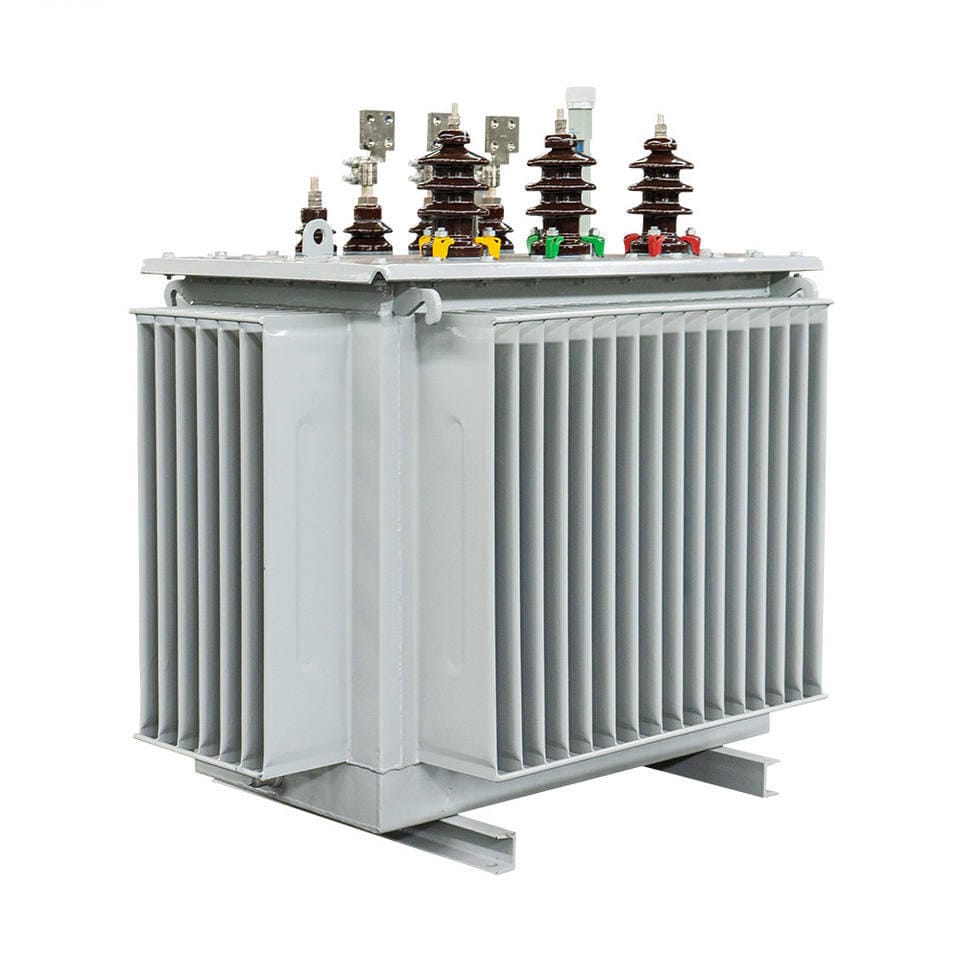
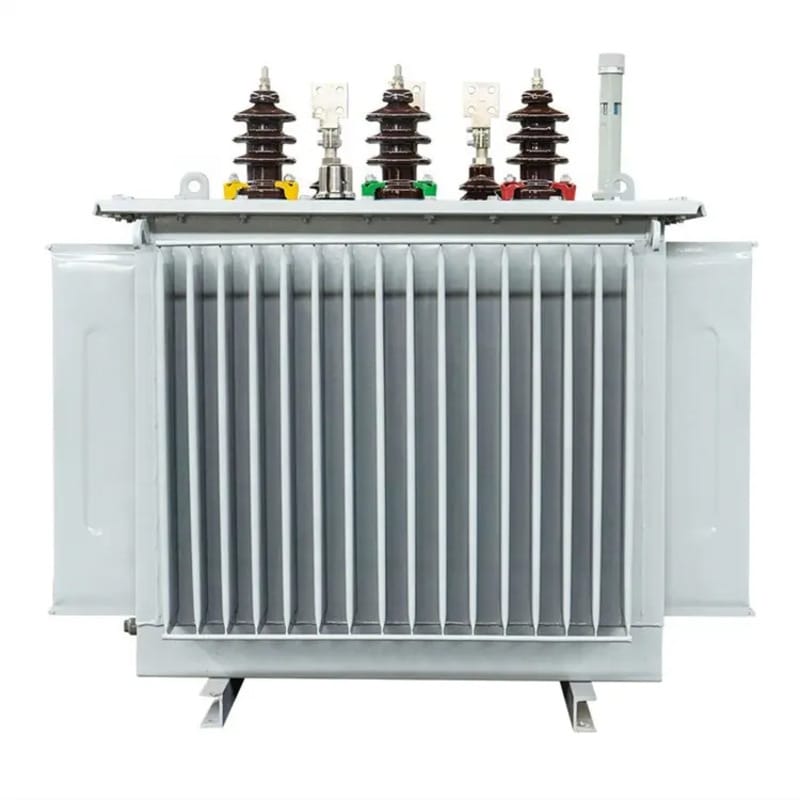
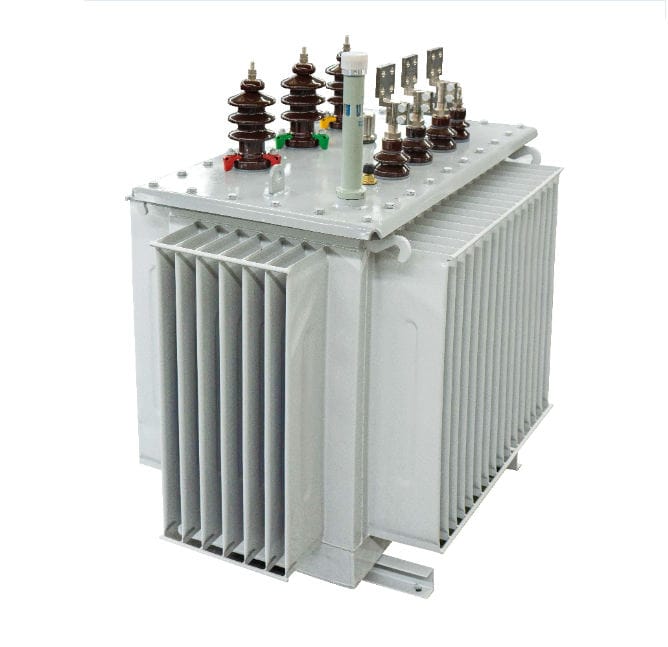
High voltage and low voltage complete sets occupy a significant place in modern electrical engineering as they are responsible for safe, secure, and efficient power distribution to all types of industries.
They are known as complete switchgear assemblies because they integrate inside them such electrical components as circuit breakers, disconnectors, control devices, protective relays, and monitoring units into one modular solution.
An engineer or a project manager who wants to develop a safe as well as cost-effective electrical infrastructure needs to understand what these complete sets mean—how they differ from simple distribution cabinets.
This article sheds a guide on high and low voltage complete sets; their functions, applications, design parameters, compliance with international standards, and future scope trends toward smart and digital power distribution.
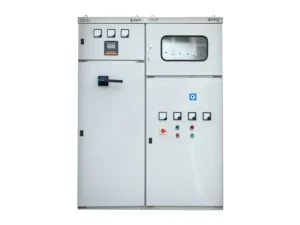
What is a High Voltage and Low Voltage Complete Set?
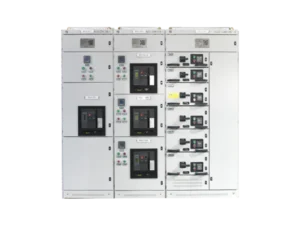
A high voltage and low voltage complete set refers to protective, switching, and control devices as an integrated system within one enclosure (safe).
In most designs, these sets take care of more than 1 kV-high-voltage-and less than 1 kV low-voltage-power-distribution seamless transmission and safe delivery of electricity to its destination.
Does not provide individual distribution boxes or control panels, but systematic integration of all components required for power distribution. Safety, monitoring, and automation Standardized modules Customized for different industries and environments.
Main Functions of High and Low Voltage Complete Sets
They include:
- Power Distribution – Steady delivery from the grid or gen set going to the loads downstream.
- Switching and Control – Safe to turn off or change path for any circuit.
- Protection – Overcurrent, short circuit, overload, and leakage protection.
- Monitoring and Measurement – Voltage, current, frequency, and power quality monitoring.
- Automation – Includes intelligent features like remote control, fault diagnosis support, and predictive maintenance support.
- Safety interlocking – It will prevent any misoperation and ensure the operation is carried out in compliance with the protocols.
As a matter of fact, HV/LV complete sets act like the nervous system of modern power infrastructure.
Key Application Industries
High voltage and low voltage complete sets are widely used across industries where safe and reliable electricity is fundamental. Major application sectors include:
- Manufacturing plants (textiles, steel, cement, chemicals).
- Energy and utilities (power stations, renewable energy farms).
- Construction and real estate (residential complexes, office buildings, commercial centers).
- Transportation hubs (airports, railways, metro systems).
- Healthcare and data centers (critical environments requiring uninterrupted power).
- Oil, gas, and mining (harsh conditions requiring high reliability and safety).
Their adaptability makes them indispensable in both industrial and commercial projects.
Mainstream Technology Routes
With evolving power tech, HV/LV full sets now include various tech paths:
- Conventional Mechanical Switchgear – Old yet trusty, still in broad use.
- Gas-Insulated Switchgear (GIS) – Tight and safe for high volts.
- Air-Insulated Switchgear (AIS) – Cheap to run, simple upkeep.
- Smart Gear – Comes with sensors, digital gauges, talking parts. Modular and Pull-out Builds – Make swapping fast and growth easy.
Selecting the right option depends on factors like what voltage class you need, what kind of environmental conditions you’re dealing with, your requirements.
Suitable Installation Locations
High and low voltage complete sets are typically installed in:
- Substations – To connect transmission lines with local distribution.
- Industrial plants – Near heavy machinery and production lines.
- Commercial complexes – To manage building-wide power distribution.
- Renewable energy farms – For solar, wind, and hydro projects.
- Underground facilities – Where compact, insulated systems are required.
Site selection considers safety clearance, ventilation, environmental resistance, and accessibility.
Differences Between HV/LV Complete Sets, Distribution Cabinets, and Control Cabinets
Although often confused, these systems are distinct:
| Feature | HV/LV Complete Set | Distribution Cabinet | Control Cabinet |
| Scope | Full system integration for HV and LV | Focused on low-voltage circuits | Focused on control & automation |
| Components | Circuit breakers, relays, meters, busbars | Breakers, fuses, terminals | PLCs, relays, contactors |
| Application | Large-scale power management | Building-level distribution | Process control & automation |
| Customization | High | Medium | High |
| Smart Features | Supports remote monitoring and IoT | Limited | Moderate |
In summary, complete sets are more comprehensive and serve as the backbone of electrical systems, while cabinets are subsets serving specific roles.
Technical Parameters: Voltage, Current, and Short-Circuit Capacity
Typical specifications include:
- Rated voltage:
Low voltage: 0.4 kV – 1 kV
High voltage: 3.6 kV – 40.5 kV (sometimes up to 110 kV)
- Rated current:
From hundreds of amperes (LV) to several thousand amperes (HV).
- Short-circuit breaking capacity:
Ranges from 25 kA to 63 kA depending on system requirements.
These parameters determine load-bearing capability, safety margins, and fault tolerance.
Smart Monitoring and Remote Operations
Present-day HV/LV Assemblies incorporate the smart grid:
- Cloud or SCADA systems for remote supervision,
- Predictive maintenance to indicate wearing parts,
- IoT sensors indicating voltage, temperature and vibration in real-time,
- Mobile applications for engineers on-the-move.
The change-over leads to improved dependability and minimized time losses.
Protection Levels: IP Rating, Weather Resistance, and Fire Safety
High and low voltage complete sets are built to withstand challenging environments:
- Ingress Protection (IP rating) – Commonly IP30 to IP65, depending on installation.
- Weather resistance – Outdoor units often feature anti-corrosion coatings and UV protection.
- Fire resistance – Flame-retardant materials and arc fault protection ensure compliance with fire safety standards.
These properties are especially important for outdoor substations and coastal installations.
Modularization and Customization
A contemporary full set has as its salient features modularity and customization:
- Scalable modules can grow as demand increases. Custom busbar layouts for unique site configurations.
- Industry-specific customization (e.g., mining, marine, oil & gas).
- OEM branding and design variations for project integration.
This flexibility provides commonality between standardized projects and applications of the highest degree of specialization.
Installation and Maintenance Guide
Proper installation and upkeep ensure safety and long service life:
- Site Preparation – Ensure solid foundation, grounding, and ventilation.
- Assembly and Wiring – Follow IEC and local standards for correct wiring.
- Commissioning Tests – Conduct insulation resistance, high-voltage withstand, and functional tests.
- Routine Maintenance – Inspect busbars, relays, insulation, and breakers periodically.
- Spare Parts Management – Keep essential parts like contactors and relays in stock.
Regular maintenance cycles range from 6 months to 1 year, depending on load conditions.
Frequently Asked Questions (FAQ)
- Do HV/LV complete sets comply with standards?
Yes. Most manufacturers design in accordance with IEC, GB, CCC, CE, and ISO certifications.
- Do they include interlocking and anti-misoperation systems?
Absolutely. Mechanical and electrical interlocks prevent unsafe switching sequences.
- What about service life and reliability?
Typical lifespan is 20–30 years with proper maintenance, with MTBF (mean time between failures) exceeding industrial requirements.
- Is on-site installation and commissioning easy?
Yes. Modular designs allow plug-and-play assembly with reduced installation time.
- What is the maintenance cycle?
Routine inspections every 6–12 months and preventive overhauls every 3–5 years.
- Do they support smart fault diagnostics?
Yes, intelligent versions feature self-diagnosis and early warning functions.
Conclusion
High voltage and low voltage complete sets are integrated smart systems that guarantee secure, stable, and energy-effective allocation of power to any kind of industry. With modular systems, worldwide standard conformity, state-of-the-art supervision, and substantial protection measures; these kits have found their way into contemporary electrical installations.
As industries move toward smart grids, renewable integration, and digital power management, HV/LV complete sets will continue evolving, providing not only distribution and protection but also data-driven intelligence and predictive reliability.

 English
  Russian
  French
  German
  Spanish
  Arabic