
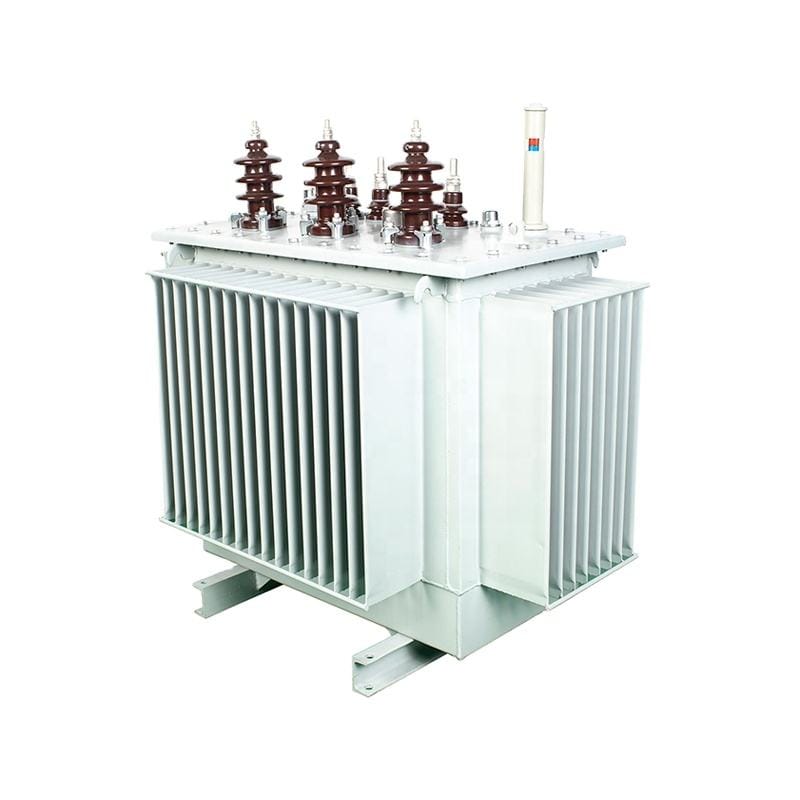
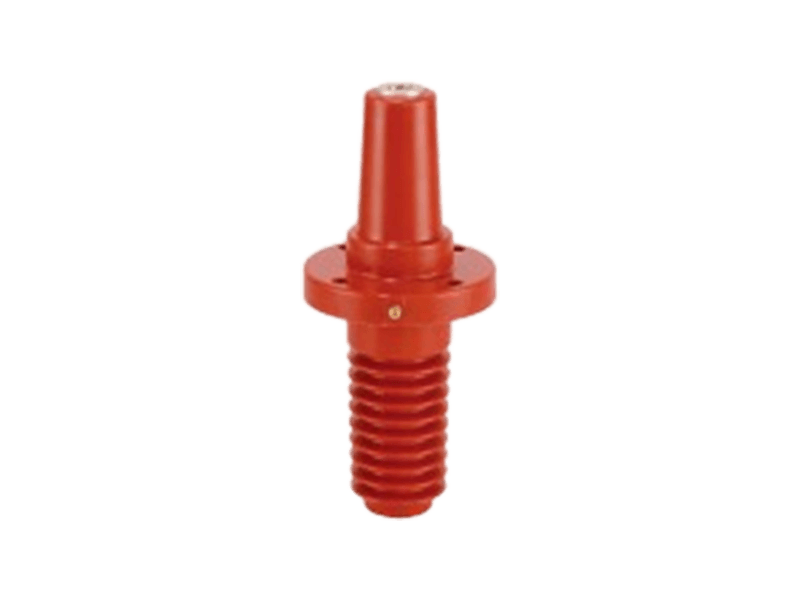
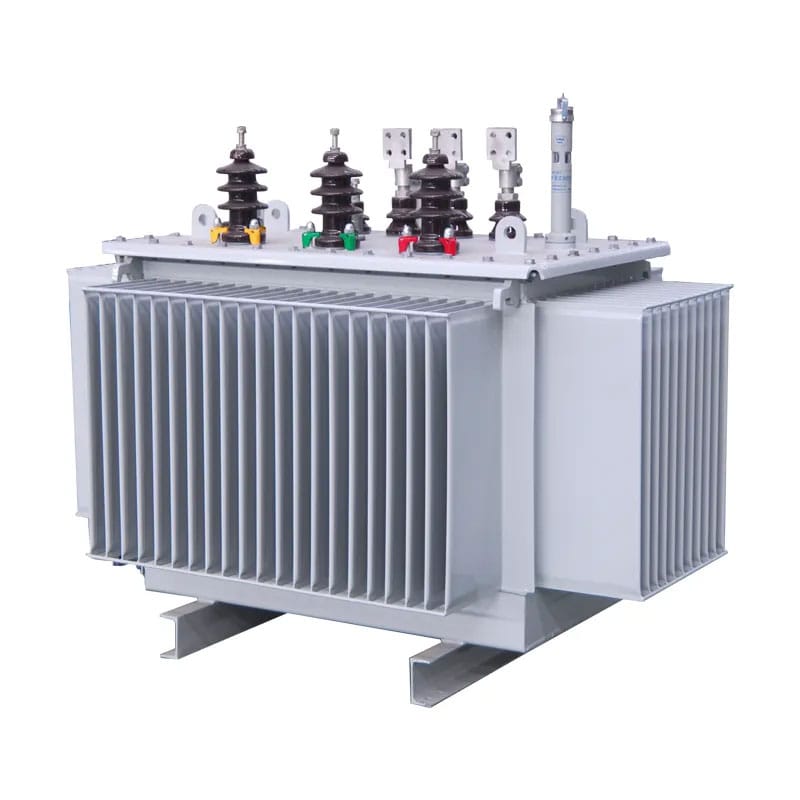
Cable accessories are a common component used in power systems. They play a vital role in power transmission, and the selection of cable accessories is crucial. Here’s a professional guide to installing and purchasing cable accessories. Choosing the right ones and using them well can significantly extend their service life!
What are cable accessories?
Cable accessories are components and devices that are used to bind, branch, enclose, secure, or protect the cables in a cable system. They not only ensure the mechanical, electrical, and environmental safety of cable lines, but also ensure the stability and safety of cable operations. Common accessories for cable systems include intermediate adaptors, terminations, cold-shrink tubing, heat-shrink tubing, caps, and sheaths, which are appropriate for different voltage levels, environments, and methods of installation.
Cable accessories are typically categorized by voltage level into low, medium, and high voltage accessories for cable, and by structural type into heat-shrink, cold-shrink, and epoxy-resin types.
Types of Cable Accessories
Cable accessories are diverse, but are primarily categorized into three large categories:
- Classifying by Use
Cable terminations: They’re employed at the conclusion of a cable run to attach to equipment or straps.
Cable intermediate linkers: They’re employed to extend or mend connections across a cable trail.
Cable caps: Enclose the extra or wasted cable components to shield against moisture and water.
Cable junction boxes are employed to split and connect low-powered cables. Cable sheath accessories: these include clamps that are waterproof and durable, as well as waterproof tape, all of which are used to increase external protection.
- Classification by structural material
| Type | Material | Features |
| Heat shrink type | Thermoplastic materials (polyolefins, etc.) | Heat shrinkage, strong sealing, commonly used |
| Cold shrink type | Elastic silicone rubber, etc. | No need for heating, easy to operate, suitable for outdoor use |
| Casting type | Epoxy resin, polyurethane, etc. | Epoxy resin, polyurethane, etc. |
| Dry/prefabricated | Prefabricated silicone rubber modules | Prefabricated in the factory, easy to install |
Common Use of Cable Accessories
Cable accessories are common in almost every scenario where cable is employed, the following industries are the most significant employers:
Power Industry: Feeders, distribution centers, transmission lines, etc.
Rail Track: Subway and high speed rail communications, as well as power supplies.
Industrial manufacturing: Heavy industrial facilities like petrochemicals, steel, and cement are examples of facilities that use industrial manufacturing.
Data Centers and Communications: Optical fibers and cable-based networks.
New Energy: High-powered cable connections in the wind and photovoltaic power generation industries.
Municipal Engineering: Underground pipelines and cable channels in cities.
The functions of cable accessories are
Cable accessories are more than just connectors, they serve a crucial role in a cable system.
Electrical Connections: These connections are stable and ensure the continuity of current.
Mechanical Protection: Opens up for external pressure, tension, and shock, it increases the mechanical efficiency of the cable system.
Waterproof Sealing: It effectively prevents moisture and other pollutants from entering, this extends the life of the cable.
Insulation Support: In medium and high voltage systems, cable accessories are required to provide a highly stable insulation support.
Control of Stress: Structures like stress cones are used to diminish the electric field’s concentration in order to avoid breakdown.
Advantages and Distinctive features of cable accessories
Diversified design: appropriate for different voltage levels and environmental conditions.
Easy to install: Cold-shrink and pre-fab accessories greatly reduce the difficulty of installation.
Aging and Corrosion Resistance: High-quality components ensure long term effectiveness.
High Sealing: The multiple layers of construction that provide a moisture barrier, this barrier is safe as it prevents the transmission of moisture.
Environmentally Friendly and Pollution-Free: Modern cable accessories are often composed of environmentally friendly materials, this results in a greener construction.
How to Select the Right Cable Accessories?
Selecting cable accessories is dependent on considering the following critical factors:
Cable Type and Voltage: For instance, accessories for YJV and YJLV should be compatible with the voltage (1kV/10kV/35kV, etc.);
Operating Environment: Whether or not the cable is subject to humid, high salt spray, underground, underwater, or other special conditions;
Method of Construction: Whether it is appropriate for quick installation in outdoor environments (cold-shrink type) or interior spaces (prefabricated type).
Cost and Life Cycle: Some high-performance products are pricier but have longer life cycles;
Brand and Standard: Whether or not they follow standards like GB/T, IEC, and DIN. Certified products are suggested.
Why cable accessories are crucial for smooth operation?
- Ensure stable system electrical performance.
Insulation protection: Cable accessories, such as terminal heads and intermediate connectors, provide insulation at the ends and joints of the cable. Poor insulation performance can easily lead to electrical breakdown, short circuits, and other faults.
Electric field balancing: In medium and high voltage systems, accessories must have a robust electric field control structure to prevent partial discharge (PD) and enhance operational stability and lifespan.
- Protect against environmental intrusion.
Sealing is key: Cable accessories encapsulate connectors and terminals to prevent the ingress of moisture, dust, and oil, preventing moisture from causing cable breakdown and failure.
Corrosion and pollution resistance: Cable accessories must be resistant to environmental factors such as acids, alkalis, UV rays, salt spray, and mold. This is particularly important in outdoor, underground, or coastal environments.
- Ensure the system’s mechanical strength and structural integrity.
Cables may be subjected to stresses such as mechanical tension, thermal expansion, and contraction during installation and operation. Accessories must provide strong structural support and flexibility to prevent cracking, loosening, or poor contact.
- Compatibility Affects Operational Compatibility
Appropriate accessories must perfectly match the cable model, voltage level, and cable structure. Failure to do so can lead to dimensional discrepancies, degraded electrical performance, and even potential accidents.
High-quality accessories ensure overall system consistency and interface compatibility, reducing instability caused by patchwork.
- Impact on Long-Term Operation and Maintenance Costs
Low Failure Rate: High-quality cable accessories are virtually maintenance-free, ensuring problem-free system operation for 20 or even 30 years.
Replacement Difficulty: Damaged accessories require power outages for repair, resulting in high labor and material costs, impacting the continuity and safety of the entire power system.
- Meeting the Special Needs of Different Application Scenarios
Special applications such as wind power, photovoltaics, rail transit, mining, and petrochemicals place extremely high demands on fire protection, explosion resistance, corrosion resistance, and UV resistance. Cable accessories, as interface components, must possess specialized functional properties; otherwise, system operation cannot be guaranteed.
- Standards and Certifications Ensure System Compliance
Cable accessories are typically required to comply with standards such as GB/IEC/IEEE. Non-compliant accessories not only pose quality risks but may also be forced to be replaced during acceptance, impacting project delivery.
Comparative Analysis of Different Types of Cable Accessories
| Type | Installation | Advantages | Disadvantages | Applicable Scenarios |
| Heat shrink type | Heat shrinkage | Low cost and reliable sealing | Requires a hot air gun and high environmental requirements | Conventional power distribution projects |
| Cold shrink type | Manual retraction | Fast construction, no heating required | High cost and size sensitive | Field and high-altitude construction |
| Casting type | Casting and curing | High mechanical strength and strong sealing | Complex installation and long curing time | Industrial heavy-duty environment |
| Prefabricated | Plug-in installation | Fast and error-free | High price, custom length required | High-speed projects, engineering workshops |
Cable Accessory Support and Maintenance Strategy
The steps involved in installation (using heat-shrinkable terminal blocks as an example):
Create tools and supplies (heating gun, scissors, electrician’s knife, cable accessory);
Remove the insulation and cable jacket from the cores, making sure the cores are alligned;
Use the accessory heat pipe and heat-shrink it.
Complete the installation of the stress cone, water-resistant layer, and adhesive;
Review the completed product and conduct a pressure test.
Maintenance Recommendeds:
Regularly check the key points that connect the components for signs of overheating.
In environments with high heat and humidity, wear moisture-protective caps.
Substitute aging or failed components;
Infrared thermal cameras can be employed to observe the increase in temperature at the connections in crucial situations.
Cable Accessory FAQS
- Are cable components universal? Will the products from different brands be compatible?
Usually not. Despite the common interface being identical, the structural dimensions, material properties, and methods of crimping that different brands have are varied. It’s suggested that you utilize accessories from the same brand for the entire system.
- Does cable accessory use affect the safety of the cable system?
Yes. The quality of the cable accessories affects the insulation quality and system operational stability. Poor-quality products can lead to serious issues like arcing and failure.
- Does it necessitate professional knowledge of cable installation?
Yes. The installation of cable accessories with a medium or high voltage, in particular, necessitates a deep stripping of the foundation and the placement of a stress cone in a strategic location. Unprofessional installation can lead to concealed dangers.
- What is the service life? Do they need to be maintained?
High-end accessories have a service life of 20-30 years, but this is dependent on the environmental conditions and the quality of installation. Routine visual examinations, insulation testing, and thermal imaging analyses should be conducted.
Conclusion
Cable accessories play an irreplaceable role in modern power systems and industrial power transmission and distribution. Selecting the right products, proper installation, and regular maintenance will significantly enhance the operational stability and safety of the entire cable system. Whether in transmission lines, rail transit, or data centers, choosing reliable and professional cable accessories is key to ensuring project quality and long-term operation.

 English
  Russian
  French
  German
  Spanish
  Arabic