
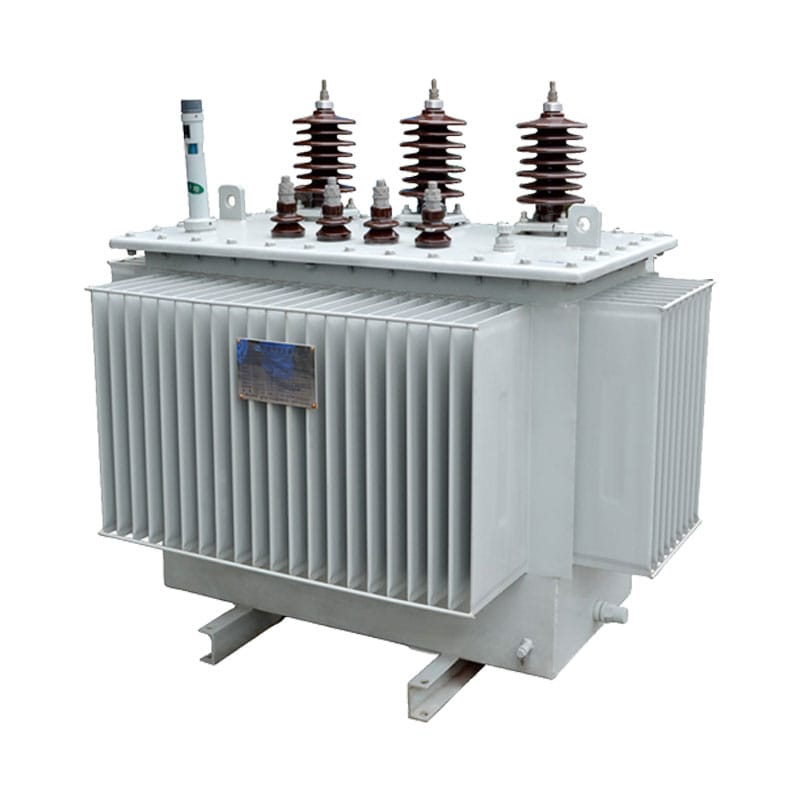
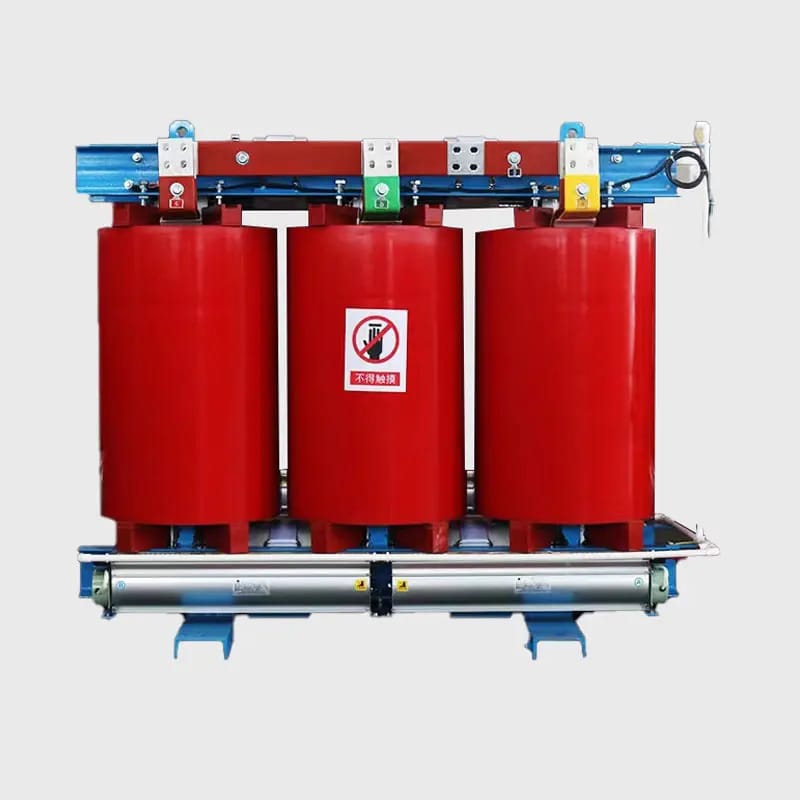
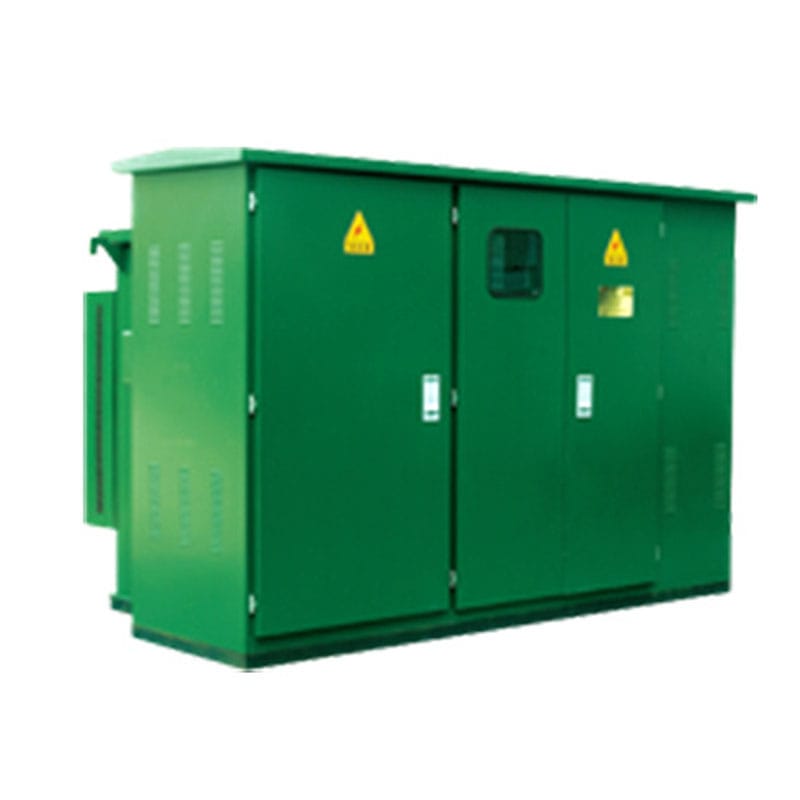
Modular equipment is a system composed of different modules. Market demand has grown significantly in recent years, and more and more companies are turning to modular equipment. Its powerful functionality allows it to meet diverse production needs. If you’re interested in modular equipment, please contact us here to learn more.
What is Modular Equipment?
Modular equipment, as the name suggests, refers to an equipment system that can be freely combined and expanded through modular units. Unlike traditional fixed equipment, modular equipment consists of multiple standardized, functionally independent modules, each with specific functions such as heating, cooling, conveying, testing, filling, and packaging. Users can connect, replace, or expand these modules like building blocks to meet production needs, creating a production line that best suits their current process.
This design concept emphasizes flexibility, scalability, and maintainability, and is increasingly popular in today’s high-variety, small-batch, and rapidly iterating manufacturing environments. Modularity is not only used in the pharmaceutical, food, and electronics manufacturing industries, but is also widely used in new energy, battery production, semiconductors, and smart manufacturing.
Major Application Areas of Modular Equipment:
Pharmaceutical and Bioengineering
Modular reactors, mixing, and purification units can be quickly assembled, making them suitable for small-batch, high-variety drug R&D and pilot production, complying with GMP and FDA regulations.
Food and Beverage Industry
Modular filling, sterilization, and packaging equipment can flexibly accommodate diverse formulations, specifications, and production capacity requirements, shortening the time it takes to bring new products to market. Electronics and Semiconductors
Production processes are complex and require rapid iterations. Modular process equipment allows for rapid switching between process nodes, reducing equipment depreciation.
New Energy and Power Batteries
Modular battery cell assembly and testing equipment supports different battery models and processes, meeting the diverse needs of the new energy market.
Chemicals and New Materials
Modular testing equipment facilitates rapid expansion to pilot production and even industrial production, reducing the risk of process scale-up.
Medical Devices and Diagnostic Equipment
By replacing modules, different testing functions can be expanded, helping hospitals and laboratories reduce investment costs.
Modular Equipment Features
Standardized Interfaces: Each functional unit is interconnected through unified mechanical, electrical, and software interfaces, ensuring rapid module integration.
Flexible Combination: Modules can be added, removed, or replaced to quickly adapt to production scale and process changes.
Intelligent Control: Modular equipment is often equipped with a unified control system for centralized monitoring and data collection.
High Maintainability: Damage to a single module requires only replacement, without shutting down the entire production line.
Fast Iteration: Upgrading or adding new modules allows for rapid adaptation to new process requirements.
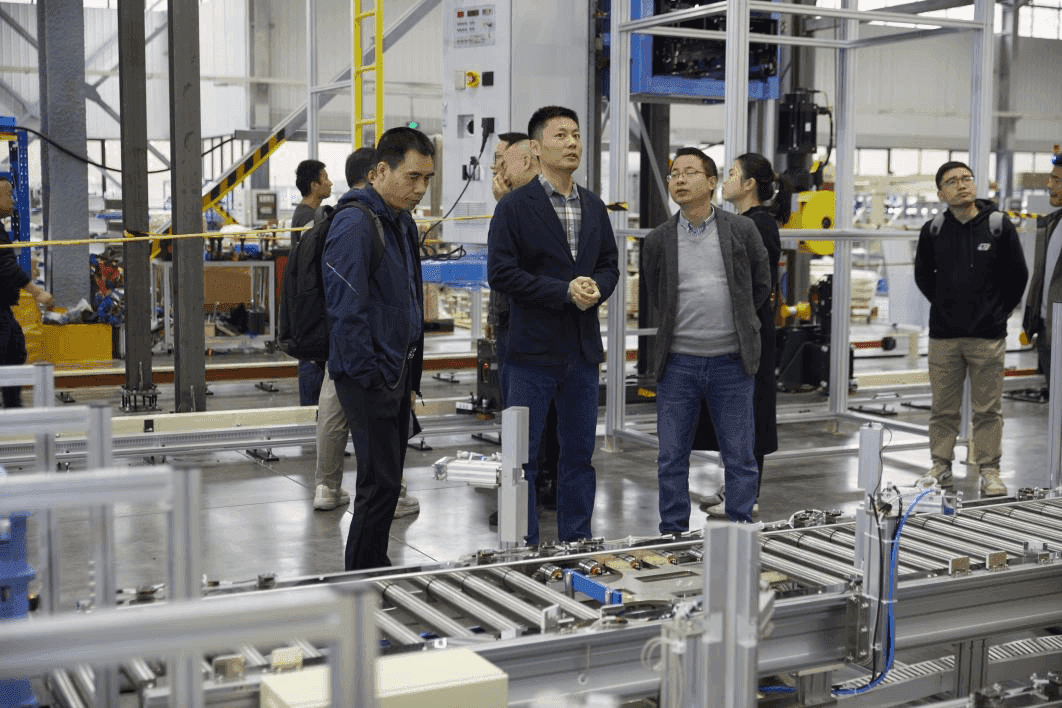
What are the advantages of modular equipment?
Flexibility
Can switch between different products and processes, adapting to rapidly changing markets.
Controllable Costs
Upfront investment can be phased in as needed, reducing the pressure of a single investment.
Shortened Delivery Cycle
The modular production model expedites equipment assembly and commissioning, shortening construction time.
Easy to Scalable
As production capacity needs grow, companies can gradually add modules without having to completely replace the production line.
Easy to Maintain
Modules are independent, eliminating the need for extensive downtime for repairs, reducing downtime costs.
Longer Lifecycle
Module upgrades extend equipment lifecycles and reduce scrap.
What is the safety/compliance of modular equipment?
Pharmaceutical and Medical Industries: Modular equipment is generally designed to comply with GMP, FDA, ISO, and other standards, with clear interfaces and validation documentation between modules, facilitating compliance audits.
Food Industry: Compliance with hygiene and safety standards such as HACCP, CE, and EHEDG ensures food safety.
Electronics and Semiconductors: Compliance with ESD (electrostatic discharge) and cleanliness level standards ensures process stability.
General Manufacturing: Each module possesses safety certifications such as CE and UL, and the software control system typically includes redundant protection.
Therefore, modular equipment is no less secure and compliant than traditional equipment. In fact, its modular design makes verification and traceability easier.
Is modularization truly suitable for small-batch, high-volume production?
The answer is yes.
Traditional production lines are often designed for large-scale, single-product production, while modular equipment naturally fits the trend of small-batch, high-volume production:
Modules enable rapid process switching, avoiding redundant investment.
Changeover time is significantly reduced, increasing production flexibility.
It is suitable for pharmaceutical R&D, small-scale trial production, and new product validation.
However, a trade-off is that if a company focuses on ultra-large-scale, single-product production, traditional large-scale production lines may still offer advantages in terms of efficiency and cost.
Can it support small-batch, high-volume production/quick line changeovers?
One of the greatest advantages of modular equipment is its fast line changeovers:
Mechanical: Through standardized interfaces, modules can be replaced in hours or even minutes.
Software: Modules come with preset process parameters, eliminating the need for reprogramming when changing lines; simply call up the configuration.
Automation: Supports MES/ERP integration, enabling rapid transitions from order to production.
This is particularly important for industries like food and beverage, pharmaceutical R&D, and consumer electronics.
What if compatibility issues arise after module upgrades?
This is a challenge modular design must address. Key solutions include:
Unified standard interfaces: The industry is promoting the establishment of unified mechanical, electrical, and software protocol standards to reduce compatibility barriers.
Backward compatibility: New modules maintain compatibility with legacy interfaces, ensuring continued use of existing systems.
Middleware solutions: Module adapters or software adaptations address generational differences.
Closed-loop supplier ecosystem: Select a mature modular platform to ensure long-term compatibility and upgrades.
Is the module compatible with existing production lines?
Modular equipment often features retrofittable interfaces, enabling compatibility with some legacy production lines:
Hardware: Customized connectors can be used to integrate with legacy equipment.
Software: Data acquisition interfaces (such as OPC UA and EtherCAT) can be used to communicate with existing systems.
Gradual Retrofitting: Companies can gradually replace individual functional modules rather than a complete all-at-once replacement, reducing risk and cost.
Can modularity support future model changes or new product launches?
This is another core value of modularization. Compared to traditional production lines, modular equipment can:
Adding new modules → introducing new process steps.
Replacing old modules → adapting to new product processes.
Software upgrades → supporting rapid parameter and logic adjustments.
This not only extends equipment lifespan but also helps companies reduce the additional investment required for new product development.
Conclusion
Modular equipment, with its flexibility, scalability, and efficiency, is becoming a key trend in modern manufacturing. It not only meets market demands for small batches, multiple products, and rapid iterations, but also effectively addresses challenges such as capacity expansion, cost control, and equipment upgrades.
Although further improvement is needed in terms of compatibility and industry standardization, modular equipment has already demonstrated significant value in industries ranging from pharmaceuticals and food to new energy and electronics manufacturing. In the future, with the advancement of smart manufacturing and Industry 4.0, modularization will become a mainstream trend in the development of manufacturing equipment.

 English
  Russian
  French
  German
  Spanish
  Arabic