
As industries evolve toward safer, cleaner, and more efficient electrical systems, the dry type transformer has become an increasingly popular choice. Known for its safety, low maintenance, and eco-friendly characteristics, it is widely used in commercial buildings, renewable energy projects, and industrial applications.
But what exactly is a dry type transformer, and why should you use one instead of the traditional oil-filled type?
Let’s explore everything from its working principles and types to its advantages, maintenance requirements, and real-world applications.
What Is a Dry Type Transformer?
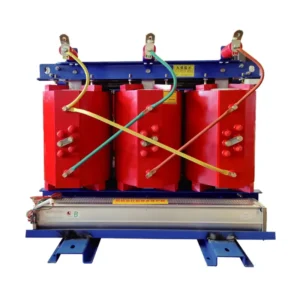
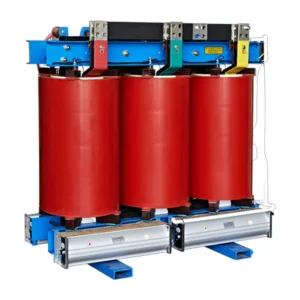
A dry type transformer is a transformer whose windings and magnetic core are not immersed in insulating oil. Instead, it relies on air or other solid insulation materials (such as epoxy resin or varnish) for cooling and electrical insulation.
Unlike oil-immersed transformers, dry type transformers use air as the cooling medium, making them much safer for indoor or fire-sensitive environments.
There are two main structural features:
- Solid insulation system that protects windings.
- Ventilated design that allows natural or forced air circulation for cooling.
Why Would You Use a Dry Type Transformer?
The primary reasons to use a dry type transformer include:
- Fire safety – No flammable oil, suitable for indoor environments.
- Environmental protection – No risk of oil leakage or contamination.
- Low maintenance – Minimal cleaning or fluid checks required.
- Compact and quiet – Ideal for commercial buildings or offices.
- Durability – Resistant to moisture and corrosion with proper design.
These features make dry type transformers the first choice for urban infrastructure, renewable energy systems, hospitals, data centers, and schools.
Types of Dry Type Transformers
There are several configurations depending on insulation technology and cooling method.
| Type | Description | Typical Use |
| Cast Resin Transformer (CRT) | Windings are encapsulated in epoxy resin, ensuring excellent moisture and dust resistance. | Indoor, humid, or corrosive environments |
| VPI (Vacuum Pressure Impregnated) Transformer | Windings are vacuum impregnated with varnish and baked for insulation and mechanical strength. | Industrial or general-purpose power distribution |
| Open-Wound Dry Transformer | Air-cooled design without encapsulation. Economical, but less resistant to contamination. | Clean indoor spaces or temporary setups |
| H-class / F-class Insulated Type | Uses special insulation for high temperature endurance. | High-temperature or compact installations |
Each type offers a balance between cost, insulation performance, and environmental adaptability.
Difference Between Dry Type and Oil-Immersed Transformers
| Feature | Dry Type Transformer | Oil-Immersed Transformer |
| Cooling Medium | Air or solid resin | Mineral oil or synthetic ester |
| Fire Risk | Very low | High (flammable oil) |
| Maintenance | Minimal | Requires oil testing, filtering |
| Installation Site | Indoors or near load centers | Outdoor or dedicated substation |
| Environmental Impact | No oil leakage, eco-friendly | Possible soil/water pollution |
| Noise Level | Low | Moderate |
| Initial Cost | Slightly higher | Lower |
| Service Life | 20–30 years | 25–35 years |
In short, dry type transformers trade a slightly higher cost for superior safety, cleanliness, and reduced maintenance.
Applications of Dry Type Transformers
Dry type transformers are versatile and used in a wide range of sectors:
- Commercial Buildings: Shopping malls, hospitals, hotels, and office towers.
- Industrial Plants: Factories, refineries, and power distribution rooms.
- Renewable Energy: Solar farms, wind turbine substations.
- Transportation: Metro systems, railway stations, airports.
- Public Utilities: Schools, data centers, government facilities.
- Marine & Offshore: Oil platforms, ship electrical systems.
They are especially favored in environments where fire safety and air quality are top priorities.
Main Advantages of Dry Type Transformers
- Fire and Explosion Safety
No flammable oil, reducing the risk of fire.
Suitable for enclosed spaces and crowded buildings.
- Environmental Protection
No oil leaks, zero risk of contamination.
Complies with eco-friendly building standards (LEED, ISO 14001).
- Low Maintenance
No need for oil testing or filtering.
Easy visual inspection of windings.
- Compact Design
Smaller footprint and lower noise levels.
Easy to integrate into modular power systems.
- High Moisture Resistance (Epoxy Cast Type)
Can operate in humid or dusty environments.
Perfect for coastal and tropical climates.
- Strong Short-Circuit Resistance
High mechanical strength of cast resin windings prevents damage.
Efficiency and Energy Consumption
Dry type transformers typically achieve efficiency levels between 97% and 99%, depending on design and loading conditions.
Newer designs follow DOE, IEC, and EU EcoDesign Tier 2 standards for minimal energy losses.
Energy Loss Breakdown:
- No-load losses: Core magnetic losses (constant).
- Load losses: Resistive copper losses (variable with load).
Using low-loss silicon steel laminations and copper windings further improves efficiency.
While dry type units may have slightly higher no-load losses than oil-filled models, they save total operational costs due to minimal maintenance.
Maintenance Requirements and Frequency
One of the biggest advantages of dry type transformers is their low maintenance demand.
Typical maintenance tasks:
- Visual inspection of windings and ventilation ducts (every 6–12 months).
- Dust removal using dry compressed air or vacuum cleaner.
- Tightening of connections to prevent overheating.
- Periodic thermal imaging to detect hotspots.
No oil sampling or replacement is required, which reduces downtime and operational costs significantly.
Operating Temperature Range
Dry type transformers typically operate at ambient temperatures of –25°C to +40°C, with class F or H insulation systems that can withstand:
- Class F: up to 155°C
- Class H: up to 180°C
Proper ventilation or forced air cooling (fans) ensures safe operation even under heavy load.
Selecting the Right Capacity and Voltage Rating
Choosing the correct transformer size is essential for efficiency and reliability.
Key selection parameters include:
- Rated Power (kVA): Match load demand with 20% margin.
- Primary/Secondary Voltage: Based on grid and equipment requirements.
- Insulation Class: Select F or H for high temperature zones.
- Cooling Method: Natural Air (AN) or Air Forced (AF).
- Altitude and Humidity: For tropical or high-altitude regions, derating may apply.
Proper selection prevents overloading, overheating, and premature aging.
Noise Levels and Indoor Installation
Dry type transformers are notably quieter than oil-immersed types due to the absence of oil resonance and improved core design.
Average noise levels range between 50–65 dB, depending on capacity.
They are ideal for:
- Basement substations
- Office floors or shopping centers
- Hospitals and data centers
Manufacturers also offer soundproof enclosures for ultra-quiet installations.
Fire Resistance and Safety
Safety is one of the strongest selling points of dry type transformers.
Epoxy resin and silicone insulation materials are self-extinguishing, preventing the spread of flames.
In case of internal failure:
- The transformer does not emit toxic gas or smoke.
- There is no risk of oil explosion or leakage.
Hence, dry type transformers meet IEC 60076-11 and UL 1562 fire safety standards for indoor use.
Insulation Materials Used
Common insulation materials include:
- Epoxy Resin – Encapsulates coils, offering moisture and flame resistance.
- Polyester Varnish (for VPI) – Improves dielectric strength and mechanical rigidity.
- Nomex Paper – High-temperature insulation for Class H systems.
- Fiberglass Reinforcement – Adds mechanical strength to the windings.
These materials ensure excellent dielectric performance and long-term stability.
Can It Work in Humid or Dusty Environments?
Yes — especially the epoxy cast resin type, which is:
- Moisture-resistant
- Dustproof
- Corrosion-resistant
This makes it suitable for coastal, desert, or chemical plant environments, where oil-filled transformers would require additional protection.
Typical Service Life
A well-maintained dry type transformer lasts 25 to 30 years.
Proper installation, ventilation, and regular inspection can even extend service life beyond 35 years.
Factors influencing longevity include:
- Load cycles
- Ambient temperature
- Humidity and dust exposure
- Maintenance discipline
Cooling Systems: Natural vs. Forced Air
| Cooling Method | Description | Typical Application |
| AN (Air Natural) | Relies on natural air convection. | Light or medium load, indoor sites. |
| AF (Air Forced) | Uses fans to blow air across windings. | Heavy load or continuous duty. |
Some advanced models feature automatic fan control based on temperature sensors for energy-efficient cooling.
Smart Monitoring and Digital Integration
Modern dry type transformers can be equipped with IoT-based smart monitoring systems.
These systems track:
- Winding temperature
- Humidity levels
- Load current
- Harmonic distortion
- Fan operation
The data can be transmitted to SCADA or cloud-based energy management platforms, improving reliability and predictive maintenance.
Installation Space and Layout
Dry type transformers have compact dimensions, requiring only 30–50% of the space of oil-immersed units.
They can be mounted:
- On walls or platforms
- In basement or rooftop substations
- In modular electrical rooms
Ventilation is crucial: maintain at least 1 meter of clearance for airflow.
Price Comparison with Oil-Immersed Transformers
| Aspect | Dry Type | Oil-Immersed |
| Initial Cost | 15–30% higher | Lower |
| Maintenance Cost | Very low | Moderate to high |
| Installation Cost | Lower (no oil tank) | Higher (fireproof containment needed) |
| Total Ownership Cost | Lower over time | Higher due to oil handling |
While dry types have a higher upfront cost, their long-term ROI is better thanks to low maintenance and operational safety.
Environmental and Energy Efficiency Benefits
Dry type transformers are eco-friendly by design:
- No risk of oil pollution or leakage.
- Recyclable materials (copper, steel, resin).
- Compliance with RoHS and EcoDesign regulations.
- Suitable for LEED-certified buildings.
Their low loss design contributes to reduced CO₂ emissions and energy conservation.
Use in Solar and Renewable Energy Projects
Yes — dry type transformers are widely used in solar farms, wind power systems, and battery storage facilities due to:
- Resistance to harsh outdoor conditions.
- Minimal maintenance needs.
- Compatibility with inverter-based systems.
They are often installed in containerized substations or rooftop solar systems.
International Standards and Certifications
Dry type transformers are designed and tested under strict global standards:
| Standard | Organization | Focus |
| IEC 60076-11 | International Electrotechnical Commission | Dry type performance & safety |
| UL 1562 / UL 1561 | Underwriters Laboratories (US) | Industrial & commercial use |
| CSA C9 | Canadian Standards Association | Electrical safety compliance |
| GB 6450 / GB 10228 | China National Standards | Design and testing methods |
| IEEE C57.12.01 | IEEE (US) | General requirements for dry type transformers |
Compliance ensures international market access and operational reliability.
Conclusion
So, why would you use a dry type transformer?
Because it combines safety, efficiency, durability, and sustainability in one reliable package.
From commercial buildings to renewable energy plants, dry type transformers deliver consistent performance with minimal environmental impact.
Their key strengths:
- Fireproof and maintenance-free design
- Long life and high efficiency
- Eco-friendly and compatible with smart grids
- Ideal for indoor, humid, or restricted spaces
In a world increasingly focused on energy efficiency and safety, dry type transformers are not just an alternative — they are the future of power distribution.

 English
  Russian
  French
  German
  Spanish
  Arabic